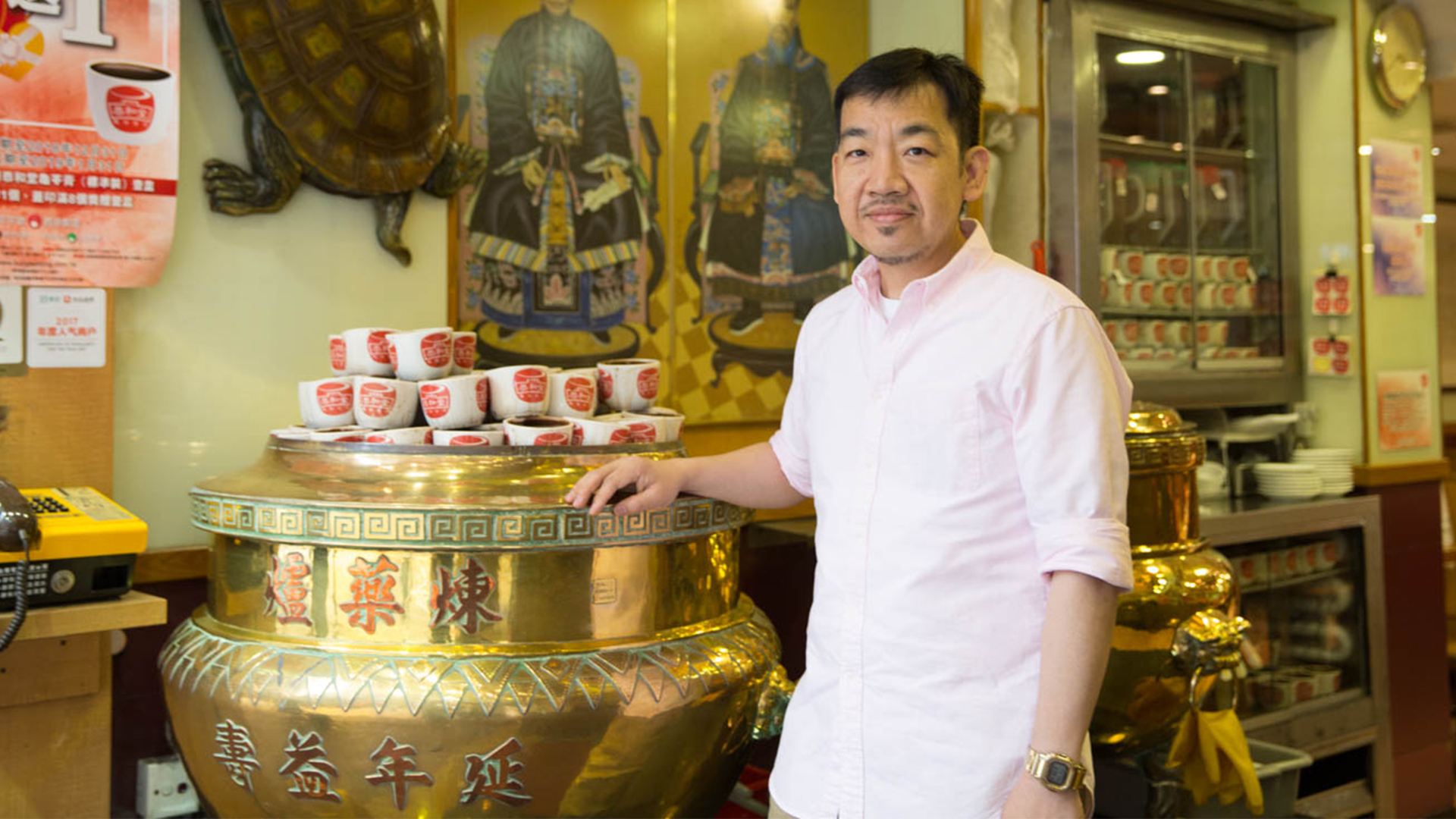
Mr Chu
Owner, Kung Wo Tong
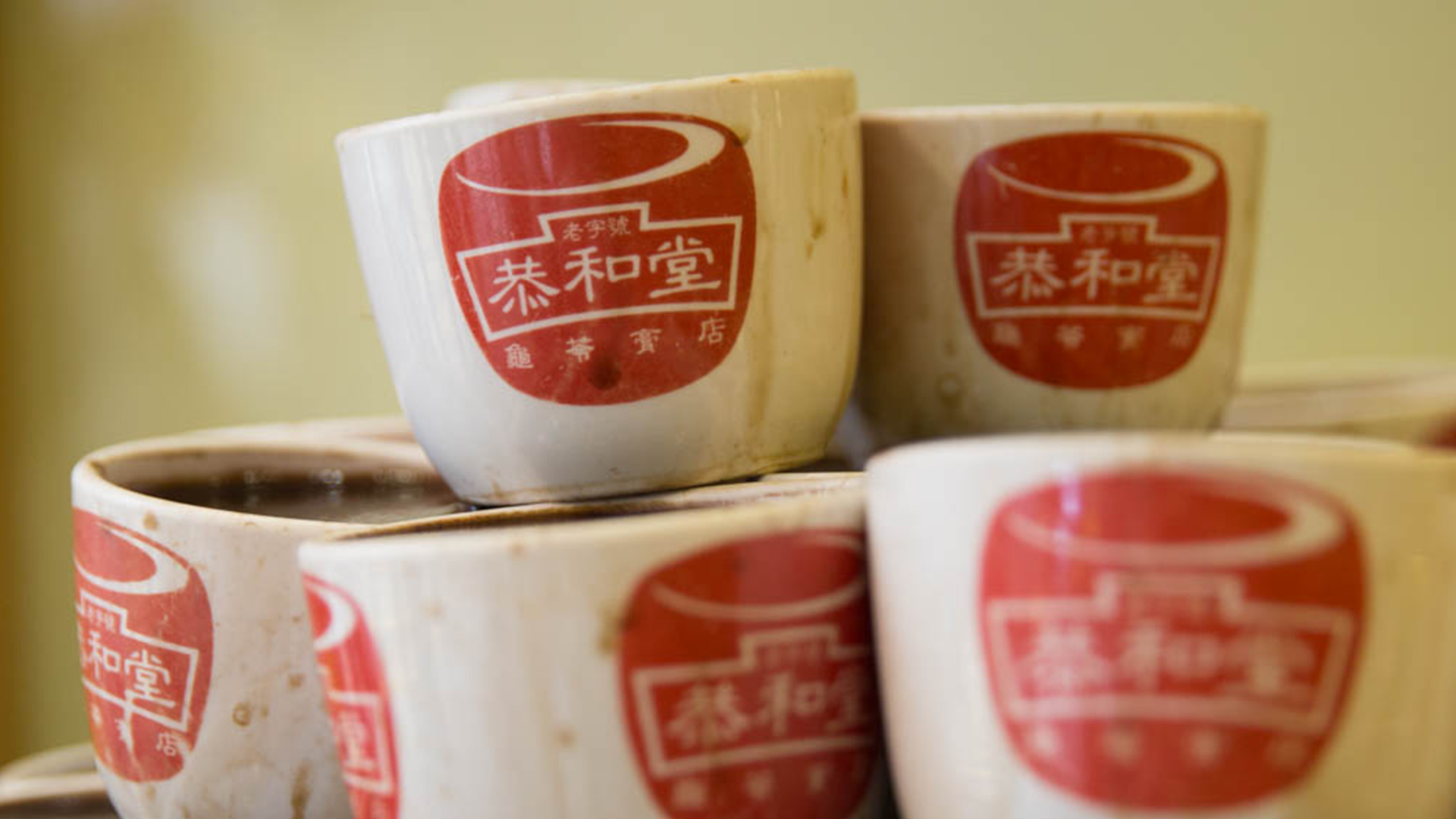
“Kung Wo Tong is a family business that can be traced back to the Qing Dynasty when herbal turtle jelly was consumed frequently. We first opened on Temple Street in 1904 when herbal turtle jelly was sold to people to detoxify their bodies. We were the pioneers of using turtle for medicinal drinks and we’ve been here in Causeway Bay since the mid-1980s. Not many stores use these copper vessels anymore as they take up a lot of space and are expensive but we still use it to keep our products warm. We begin making turtle jelly at 5am every day. It’s a long process of boiling and simmering ingredients that can take an entire morning. Turtles live in swamps and have natural detoxifying qualities. The main ingredient in jelly and tea is the tortoise plastron which is good for releasing heat and detoxifying. Other ingredients, such as rhino skin, used to be added into the mix but these are now banned.”
More Stories
Causeway Bay: Then & Now
Feature
Causeway Bay embodies the many facets of Hong Kong – the fast pace, fascinating contrasts and dynamic energy. From the city’s very beginning to the present day, its diversity and vibrancy makes it a beloved neighbourhood.
-
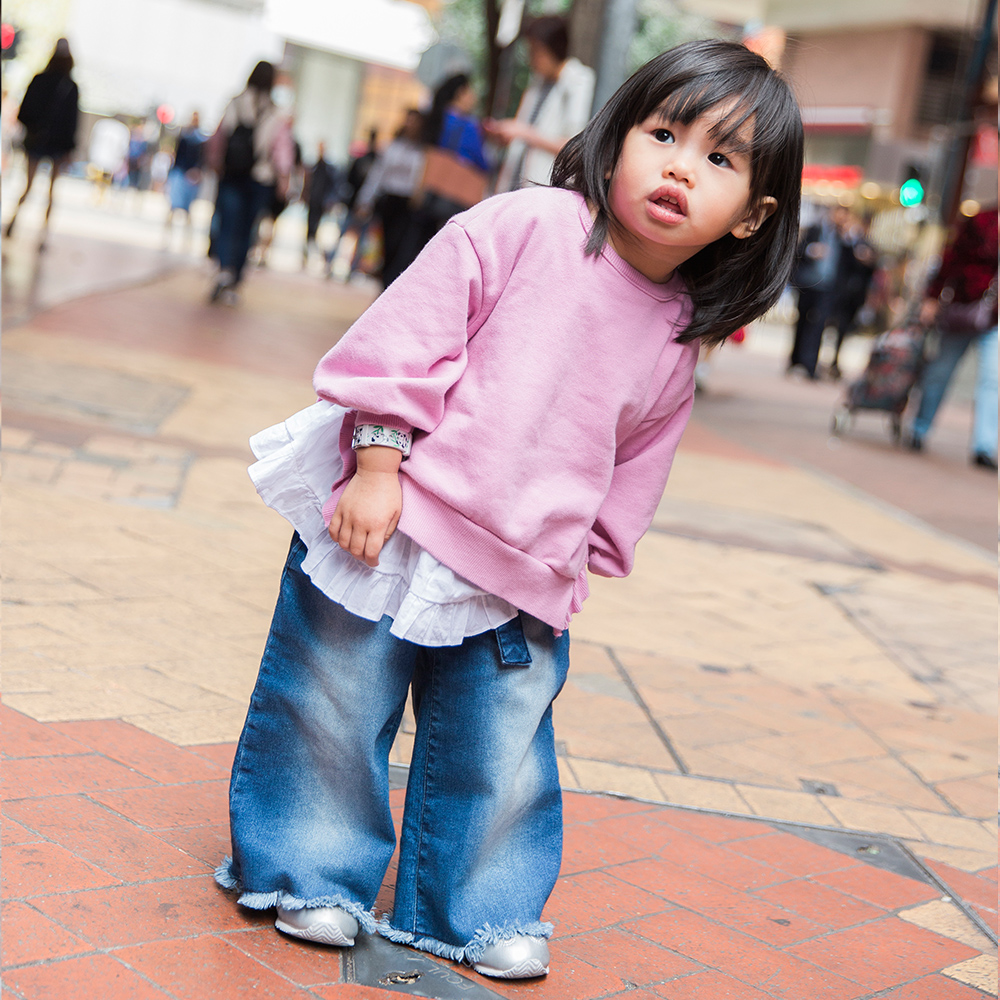
Giselle
Kid of Causeway Bay
“Today I’m with Mummy in Causeway Bay before she takes me to playgroup. We’re enjoying looking at all the plants sold here…
-
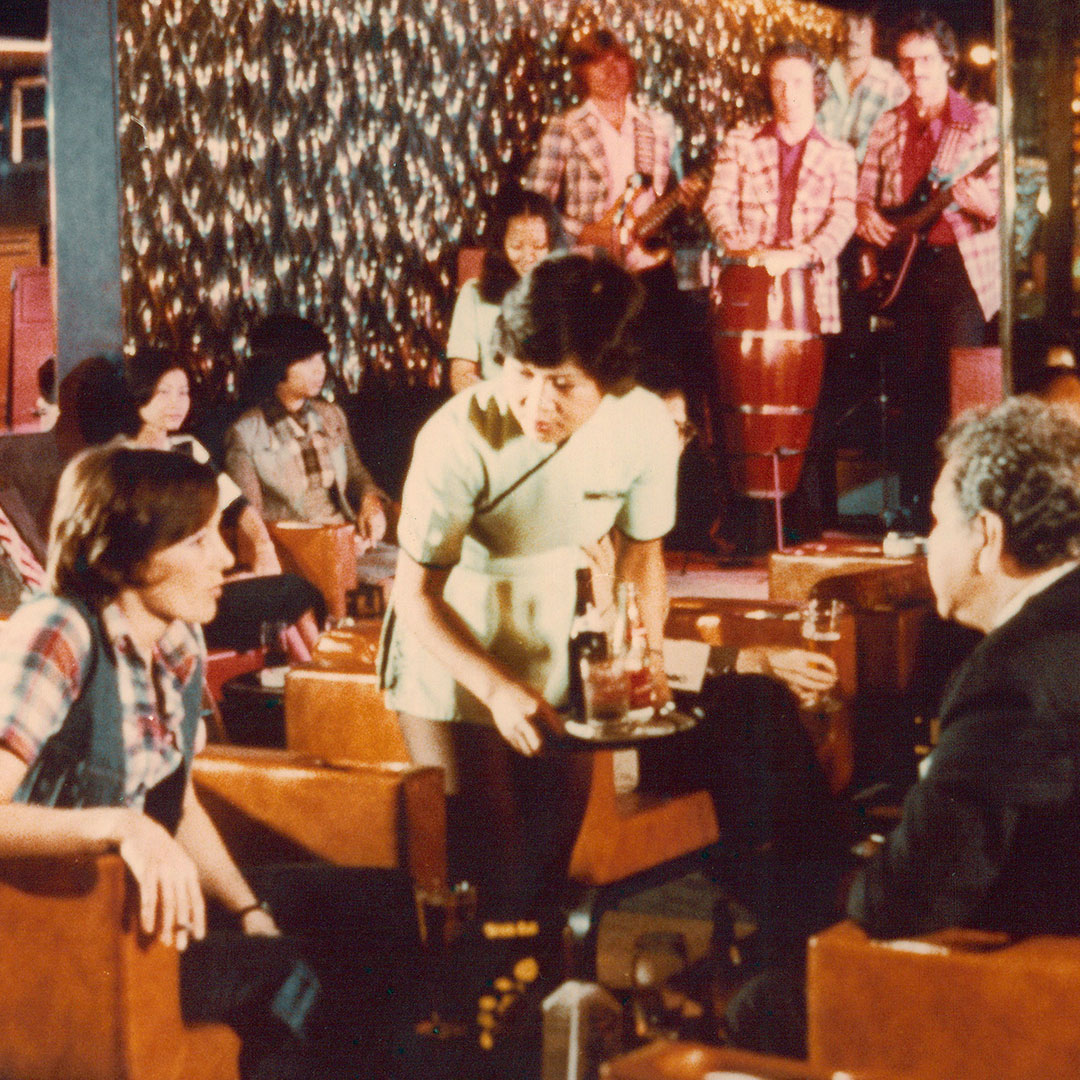
Yum Sing Bar
Rosalie Carpio and Alex Lai
“You ask me how deep my love for you is. How much do I really love you? My affection is real, my love is real. The moon represents my heart…”
Teresa Teng’s beloved song is an apt choice for Rosalie Carpio’s set list…
-
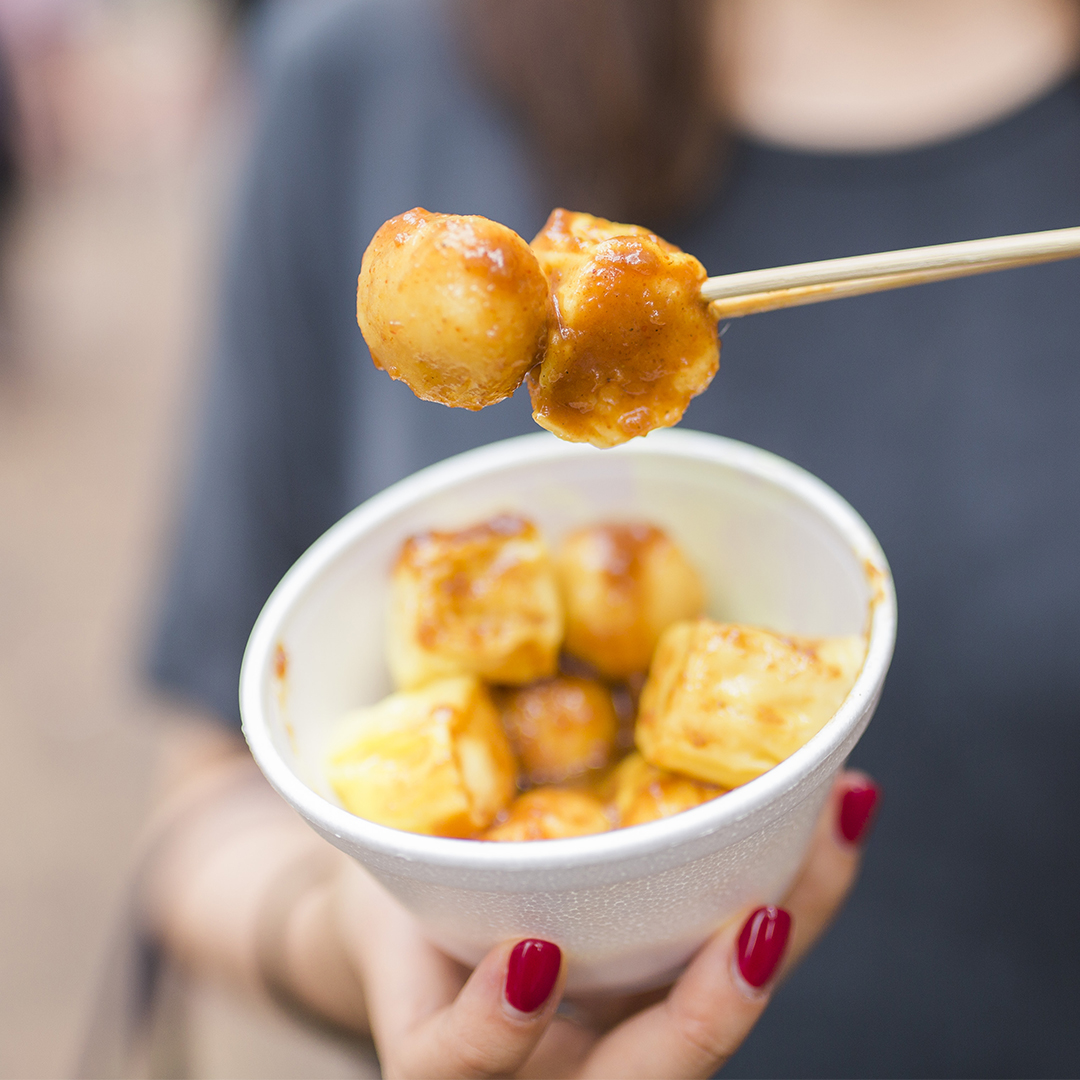
Hong Kong Street Snack Stalls
Hong Kong street snack stalls are peppered throughout the city’s densest districts, serving office workers, hungry shoppers, teenagers and tourists. Each stall has its own specialty. In Causeway Bay, many of them are busy all day ladling out their signature siu mai and curry fishballs…
-
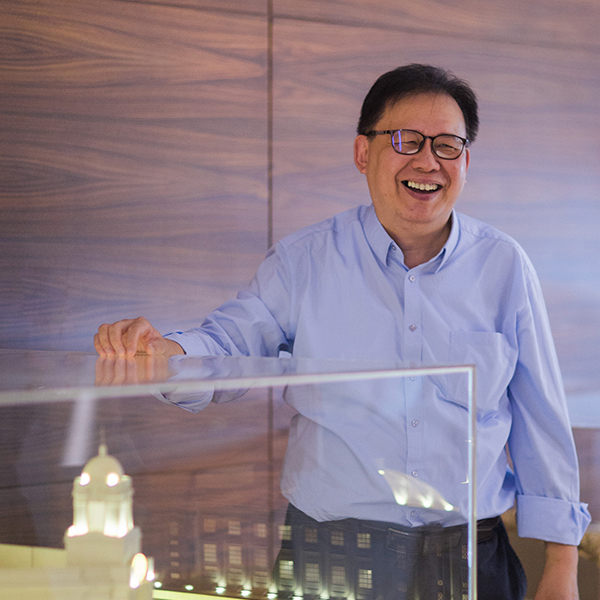
Otto Leong
A childhood spent at Lee Theatre
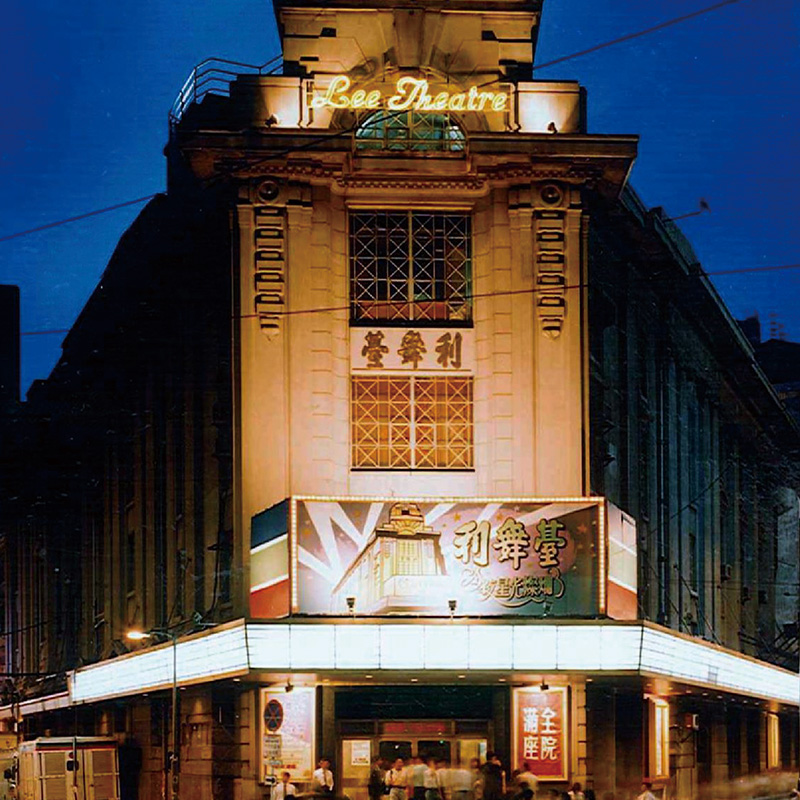
Lee Theatre was once one of the city’s most glamorous institutions. Standing at the very edge of Percival Street, it opened to the public in 1927 and hosted a range of shows from Cantonese opera to film screenings, and even the Miss Hong Kong pageant during its heyday…
-

Daniel Man
Professional football player
“I’m a professional football player. I used to play for Lee Man FC and before that I played at the Hong Kong Football Club in Happy Valley for over ten years…
-
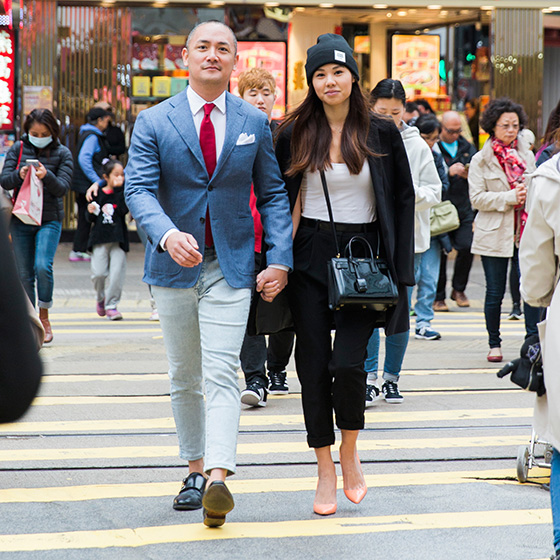
Alison and Eden
Residents of Causeway Bay
Alison: “He loves to exercise, I like to sleep. He has OCD and I’m easy going. He likes to cook, I love to eat. It works out perfectly…
-
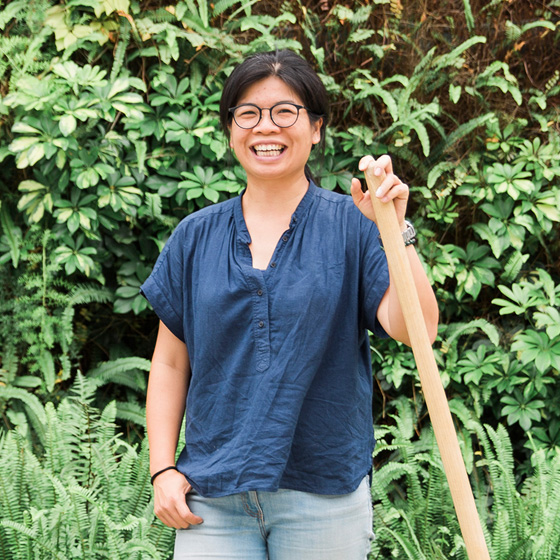
Jessica Lau
Program Manager, Sustainable Ecological Ethical Development Foundation (SEED)
A giant satellite dish is not what you’d expect to find in the middle of a farm, but then again, this is no ordinary farm: it’s located on…
-
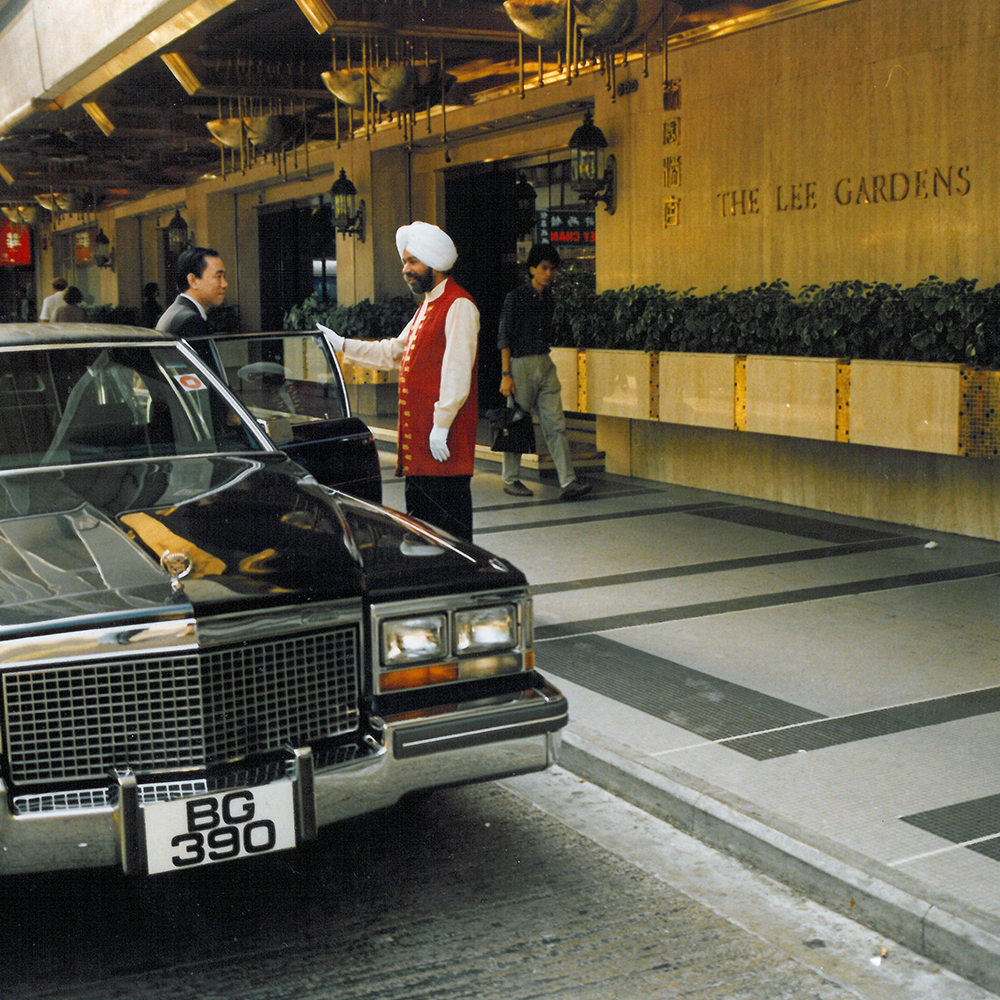
The Lee Gardens Hotel
Joseph Yung, former General Manager and Toh Toh Ma, former Chief Executive
Even now, 25 years after its doors closed for the last time, the legacy of Lee Gardens Hotel lives on in the memory of those who called the hotel their home…

Celebrating Causeway Bay
Feature
A neighbourhood in flux, Causeway Bay’s constant evolution keeps residents and visitors coming back for more. Whether it’s fashion, food, film or art, it’s a part of Hong Kong that keeps people mesmerised and inspired.
Causeway Bay: Then & Now
Feature
Causeway Bay embodies the many facets of Hong Kong – the fast pace, fascinating contrasts and dynamic energy. From the city’s very beginning to the present day, its diversity and vibrancy makes it a beloved neighbourhood.
-
Daniel Man
Professional football player
“I’m a professional football player. I used to play for Lee Man FC and before that I played at the Hong Kong Football Club in Happy Valley for over ten years…
-
Alison and Eden
Residents of Causeway Bay
Alison: “He loves to exercise, I like to sleep. He has OCD and I’m easy going. He likes to cook, I love to eat. It works out perfectly…
-
Jessica Lau
Program Manager, Sustainable Ecological Ethical Development Foundation (SEED)
A giant satellite dish is not what you’d expect to find in the middle of a farm, but then again, this is no ordinary farm: it’s located on…
-
The Lee Gardens Hotel
Joseph Yung, former General Manager and Toh Toh Ma, former Chief Executive
Even now, 25 years after its doors closed for the last time, the legacy of Lee Gardens Hotel lives on in the memory of those who called the hotel their home…