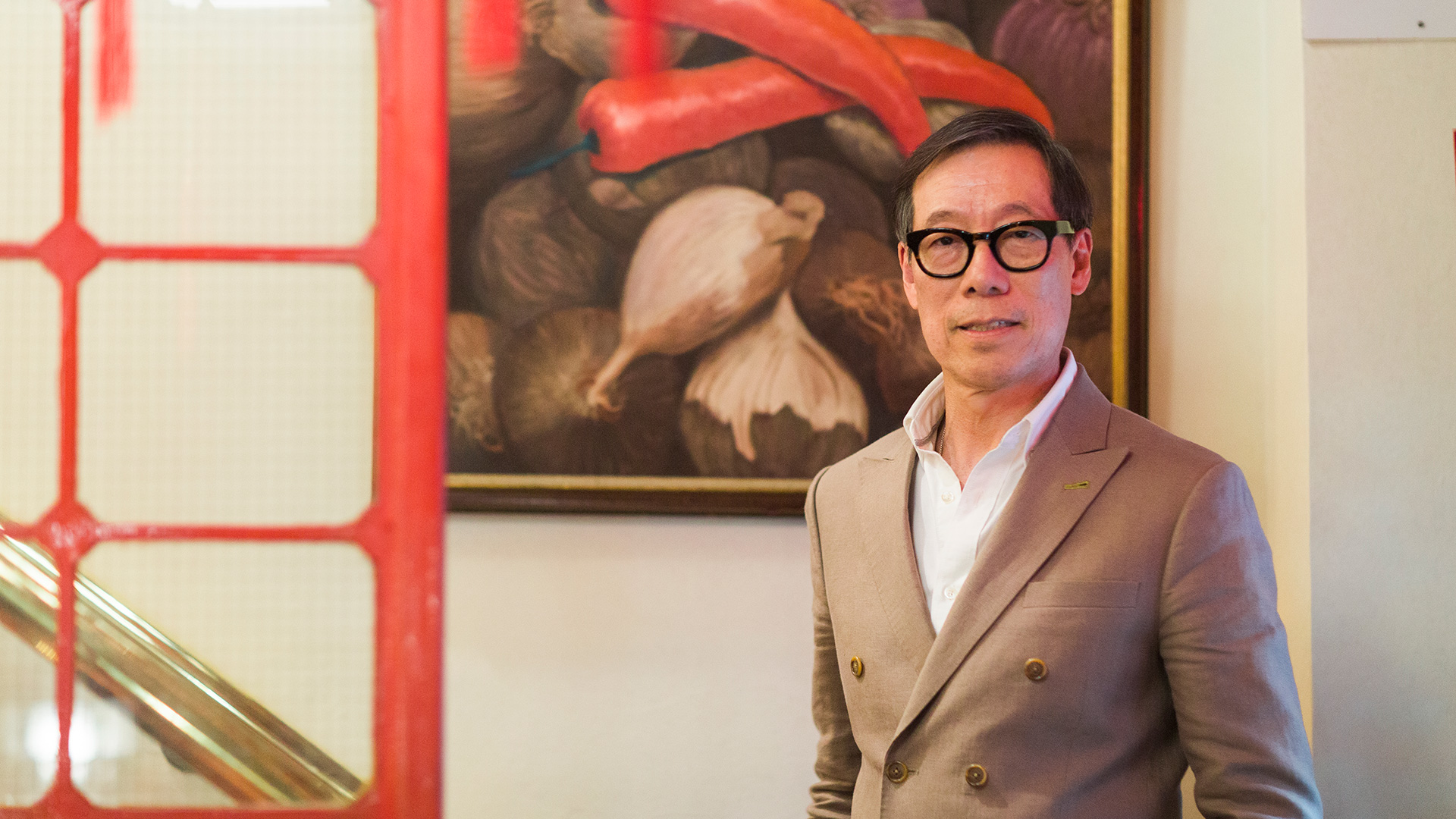
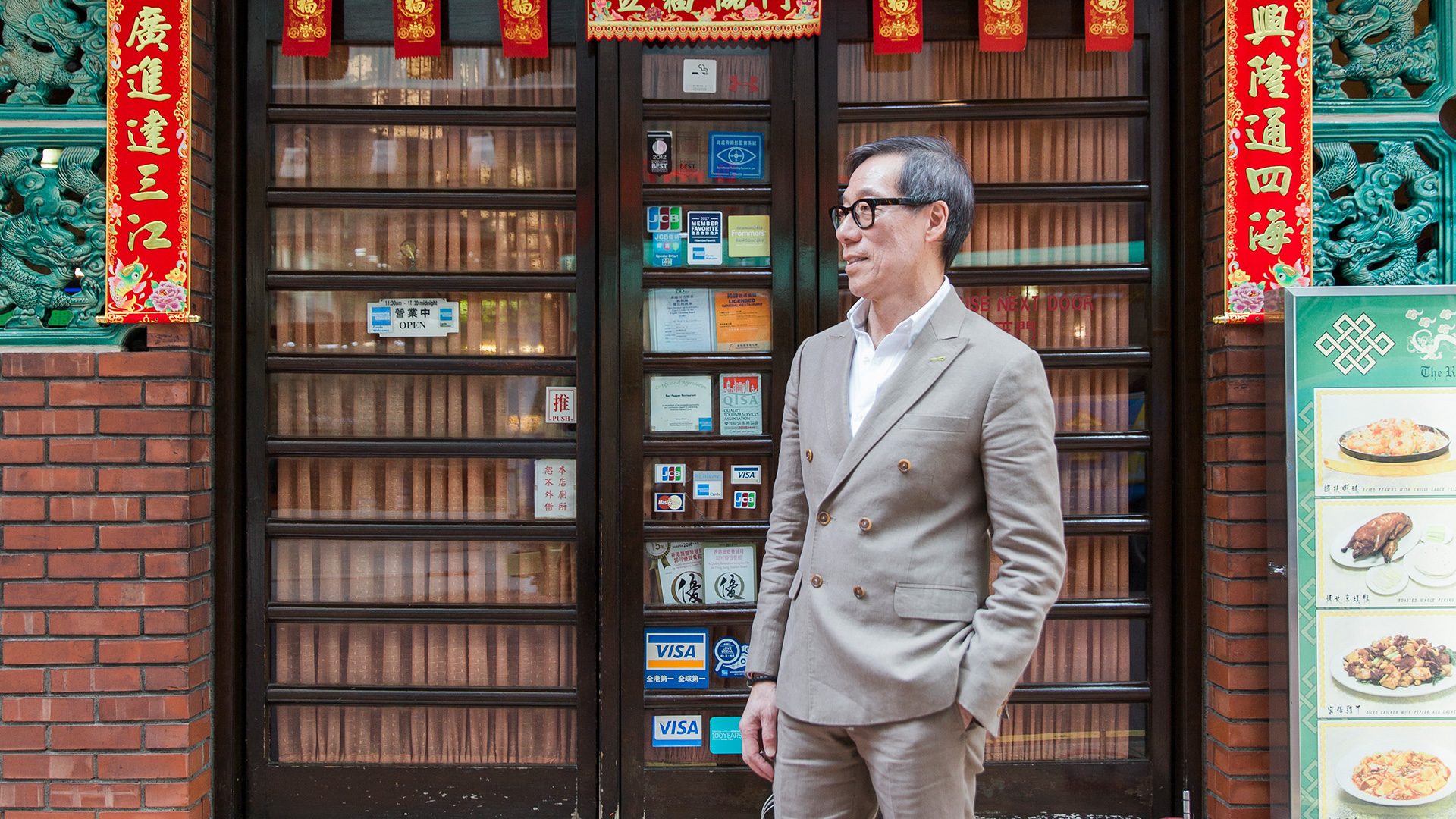
Jimmy Lee
Owner, Red Pepper
“In 1967, I worked as an apprentice at an architecture office by day and then went to night school. I worked on the first floor of the Lee Garden building when there were a lot of government offices but after three years, realised I wasn’t interested in that. At first, my family had a restaurant called Coffee House on Hysan Avenue and it was popular for western style pastries. Later, in 1971, we opened Red Pepper. Back then, there were not a lot of Sichuanese restaurants in Hong Kong. I would finish work in Central and then come back every night to help my dad. In those days, young people didn’t really have their own lives in the same way they do now and so I spent a lot of time in the family business. Our clients are quite international, even from the start. There were locally based British people and fewer Cantonese. Then later in the 70s and 80s, there were more Japanese – their economy was doing very well and there were a lot of Japanese department stores in Causeway Bay. It gets very full during rugby season every year and people would book multiple tables. People used to get quite rowdy, taking off their clothes and jumping around. We get international press and customers have shown us that we were mentioned in The New York Times. Bruce Lee fans know that Game of Death was filmed here and so we get asked about that. I wasn’t there during filming but my brother was to make sure that the film crew were taken care of over those few days.”
More Stories
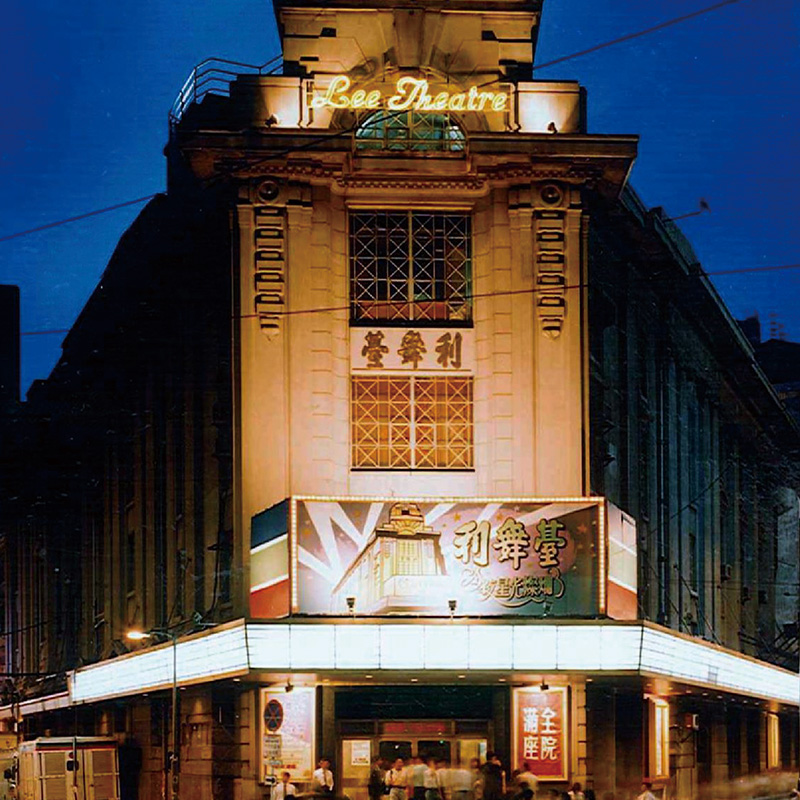
Causeway Bay: Then & Now
Feature
Causeway Bay embodies the many facets of Hong Kong – the fast pace, fascinating contrasts and dynamic energy. From the city’s very beginning to the present day, its diversity and vibrancy makes it a beloved neighbourhood.
-
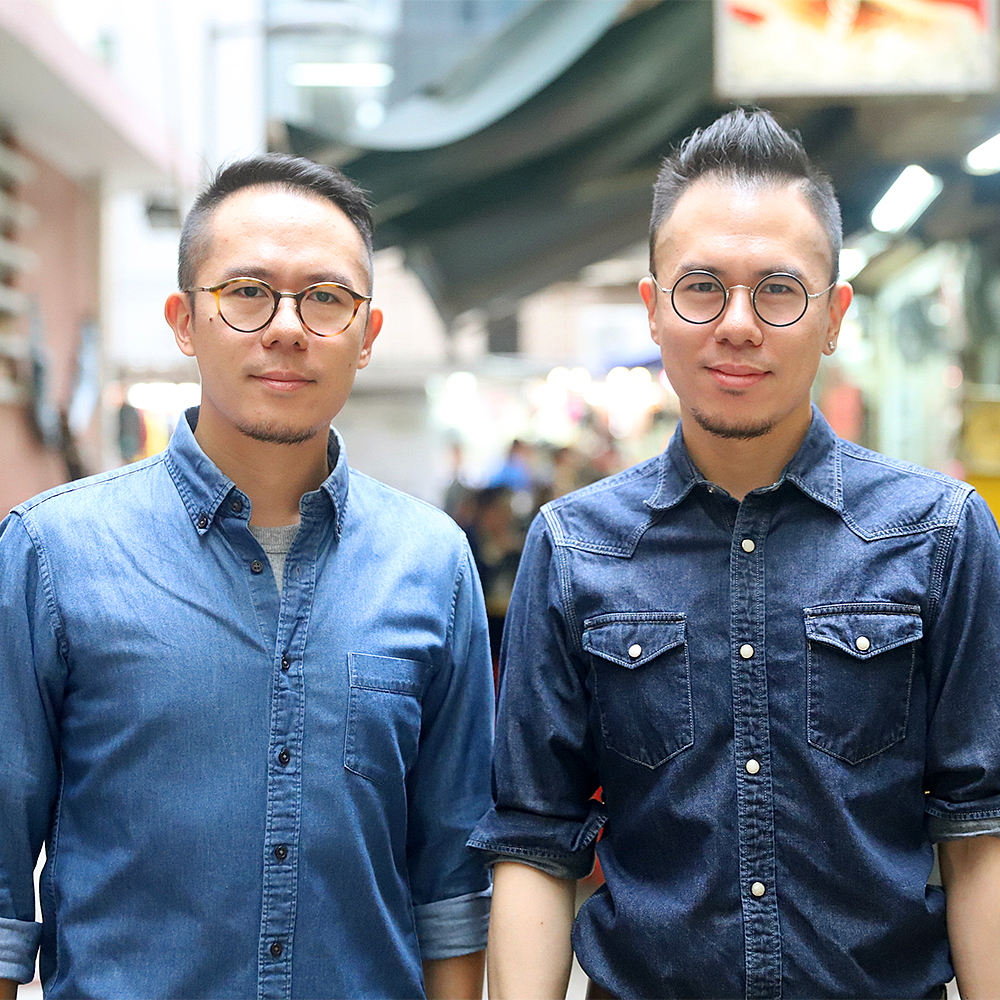
The Tsui Brothers
Cartoonists
“We’re the Tsui Brothers, the authors of Milktealogy. It’s our research project about ‘cha chaan teng’ culture here in Hong Kong…
-
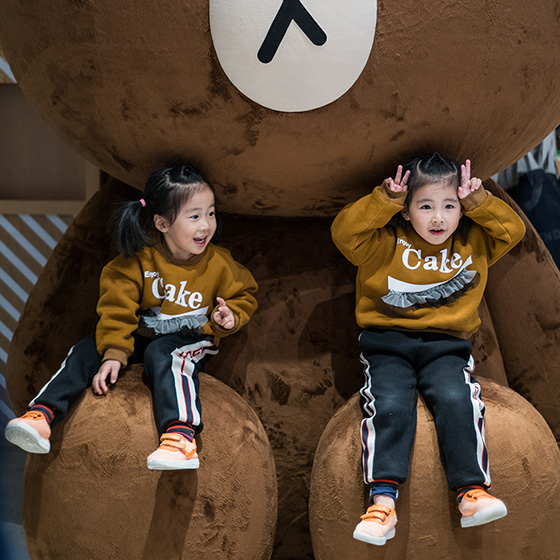
Amanda & Rebecca Li
Twins
“We love this bear so much, we tried to match our outfits with him today…
-
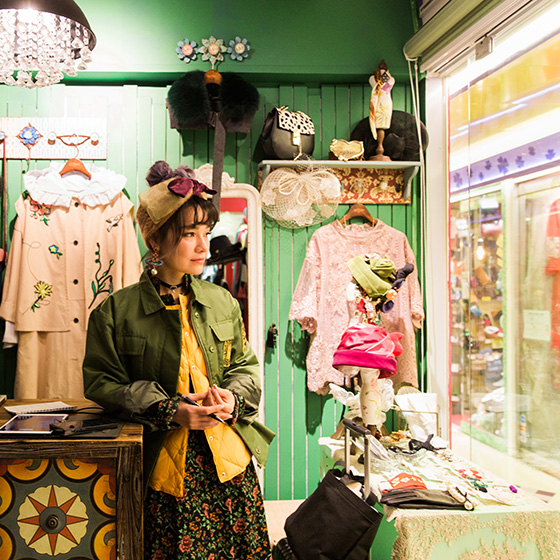
Gwyneth
Shop owner
“I studied design and used to work in marketing. One day, I did a fashion show and one of the sponsors asked why I wasn’t in fashion because I seemed to have a sense for it…
-
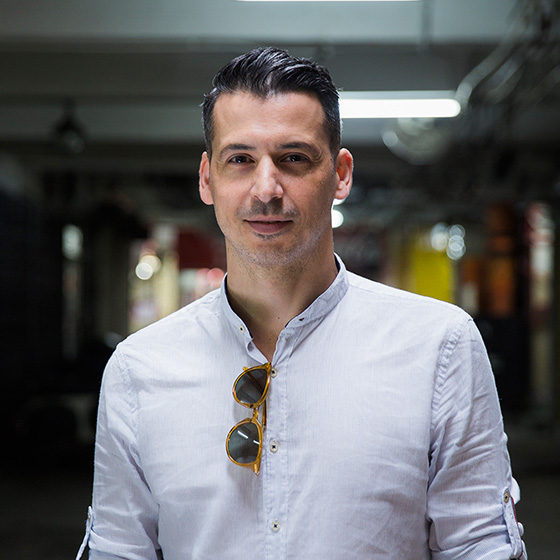
Jason Capobianco
Photographer & filmmaker
“That small alley of undercover shops inside Leishun Court is a visual masterpiece, a total cinematic moment. Fruit stand, old school printer, dai pai dong…
-
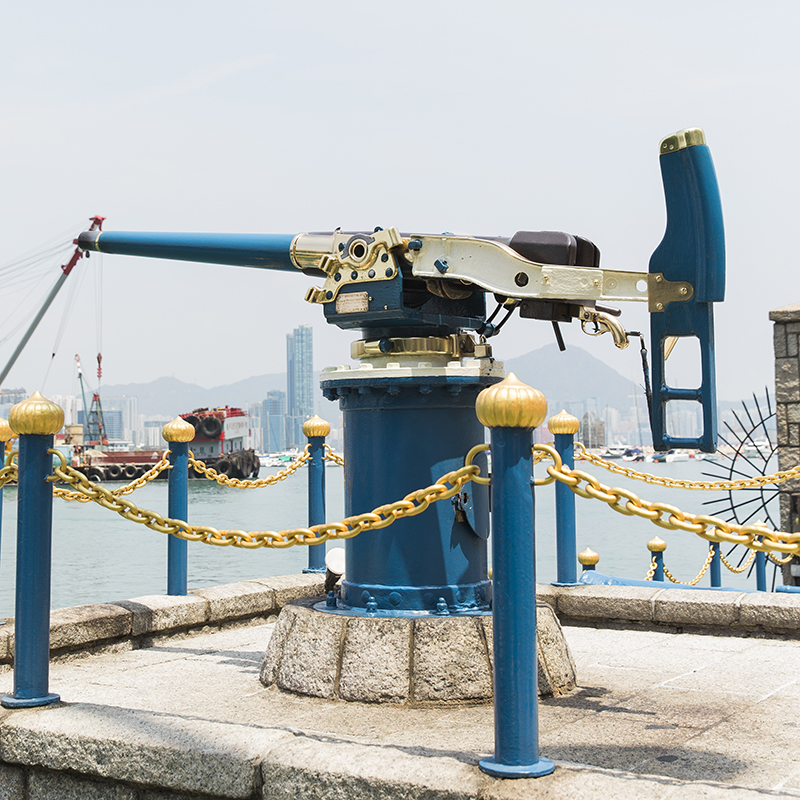
Noonday Gun
A beloved tradition
A loud ‘bang’ echoes from the Causeway Bay waterfront at precisely 12pm every day. It’s the Noonday Gun, a three-pound artillery gun…
-
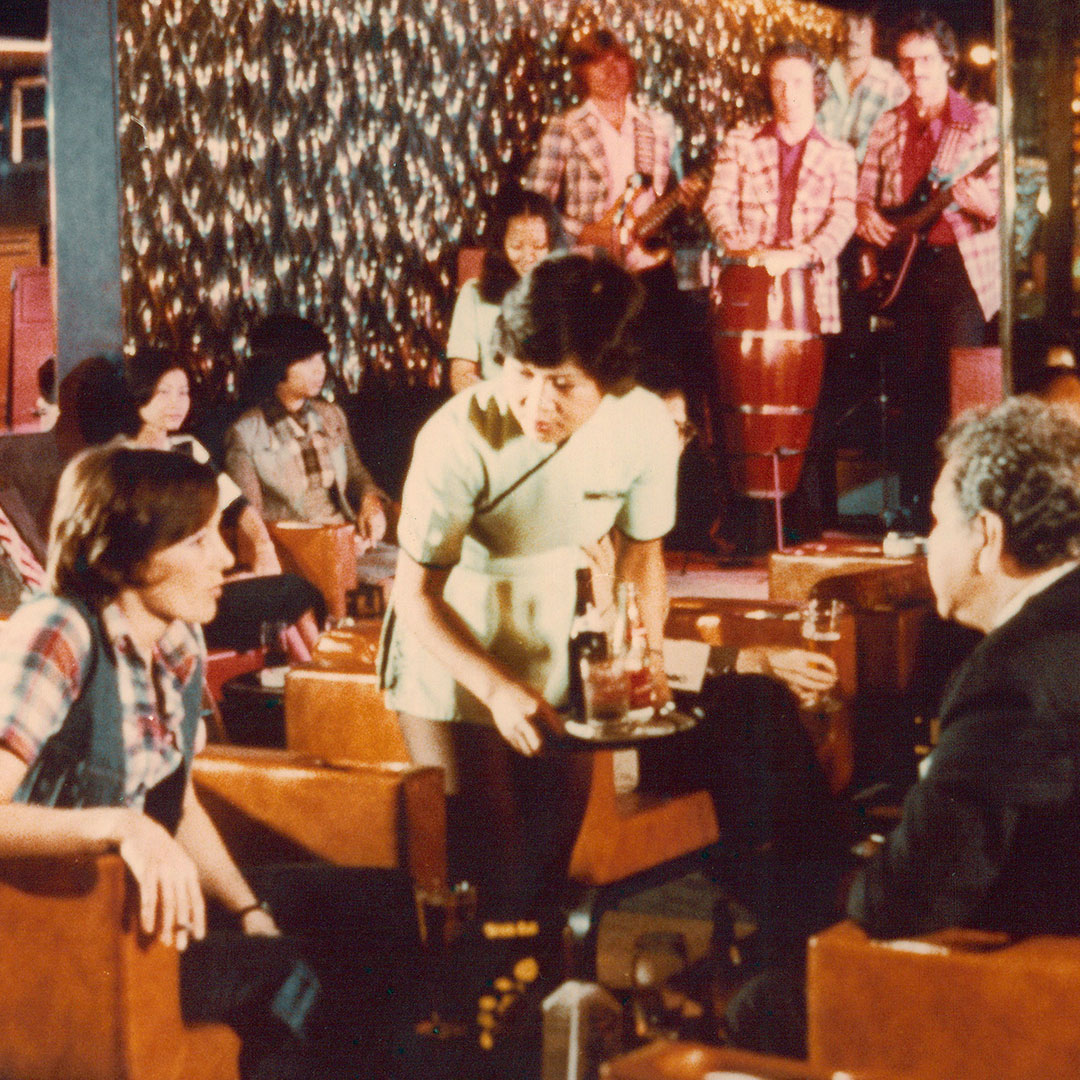
Yum Sing Bar
Rosalie Carpio and Alex Lai
“You ask me how deep my love for you is. How much do I really love you? My affection is real, my love is real. The moon represents my heart…”
Teresa Teng’s beloved song is an apt choice for Rosalie Carpio’s set list…
-
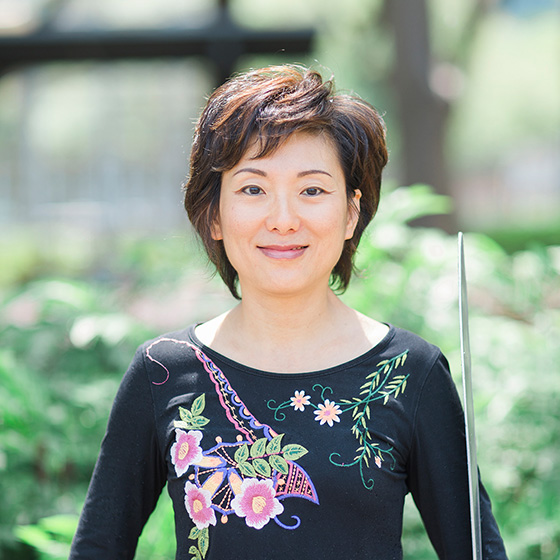
Dr Lam
Retired doctor
“I am learning tai chi from Master Tang whose moves are really beautiful. You see other people doing tai chi in Victoria Park, or elsewhere, and they are making the…
-
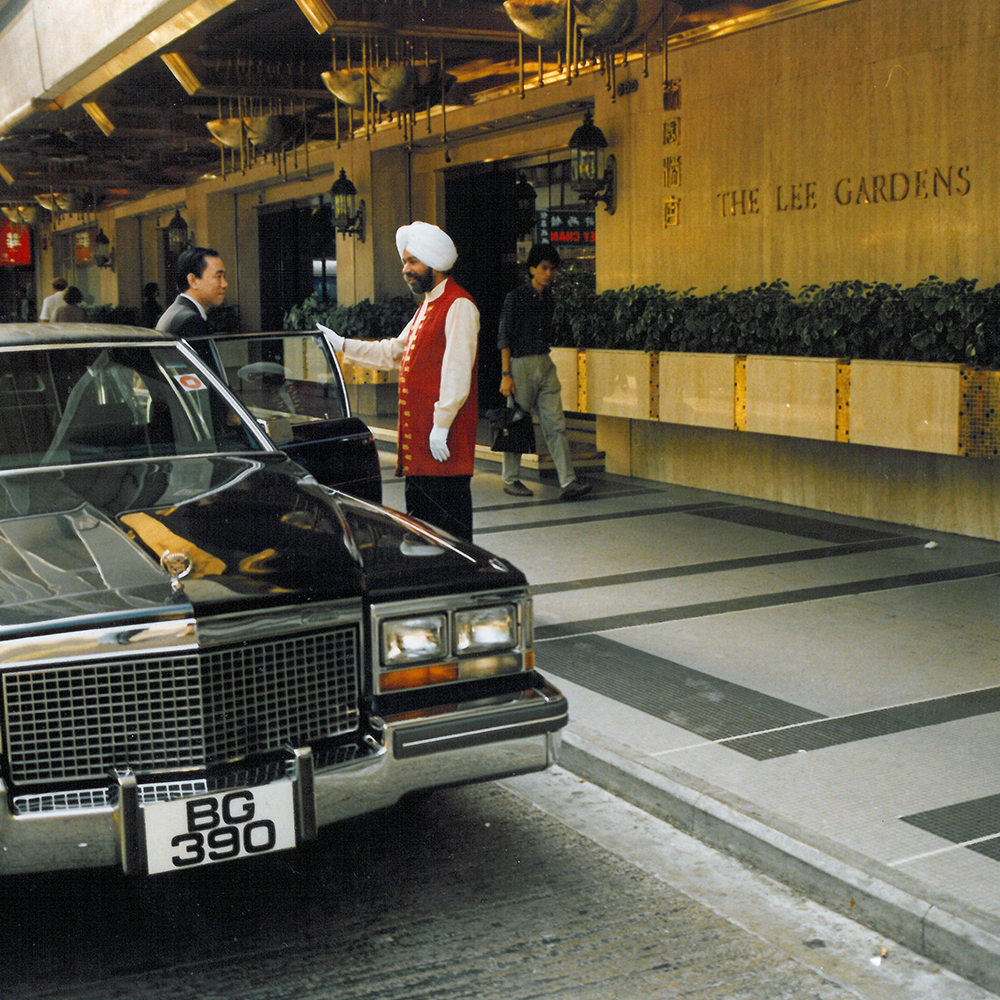
The Lee Gardens Hotel
Joseph Yung, former General Manager and Toh Toh Ma, former Chief Executive
Even now, 25 years after its doors closed for the last time, the legacy of Lee Gardens Hotel lives on in the memory of those who called the hotel their home…

Celebrating Causeway Bay
Feature
A neighbourhood in flux, Causeway Bay’s constant evolution keeps residents and visitors coming back for more. Whether it’s fashion, food, film or art, it’s a part of Hong Kong that keeps people mesmerised and inspired.
Causeway Bay: Then & Now
Feature
Causeway Bay embodies the many facets of Hong Kong – the fast pace, fascinating contrasts and dynamic energy. From the city’s very beginning to the present day, its diversity and vibrancy makes it a beloved neighbourhood.
-
Noonday Gun
A beloved tradition
A loud ‘bang’ echoes from the Causeway Bay waterfront at precisely 12pm every day. It’s the Noonday Gun, a three-pound artillery gun…
-
Yum Sing Bar
Rosalie Carpio and Alex Lai
“You ask me how deep my love for you is. How much do I really love you? My affection is real, my love is real. The moon represents my heart…”
Teresa Teng’s beloved song is an apt choice for Rosalie Carpio’s set list…
-
Dr Lam
Retired doctor
“I am learning tai chi from Master Tang whose moves are really beautiful. You see other people doing tai chi in Victoria Park, or elsewhere, and they are making the…
-
The Lee Gardens Hotel
Joseph Yung, former General Manager and Toh Toh Ma, former Chief Executive
Even now, 25 years after its doors closed for the last time, the legacy of Lee Gardens Hotel lives on in the memory of those who called the hotel their home…