
Cindy
Newspaper vendor
“I used to be a secretary at HSBC. No one believes me when I say that! This newspaper stand was my uncle’s, but he decided not to work anymore and I took over. I’ve had this spot for 25 years, and I live nearby.
I used to wake up at 4am, but now I start at 5am and can finish work by 3pm. The stand is crowded with people in the mornings – the first round are people who just woke up, second round are people who are going to work or school and it calms down at around 11am.
There are plenty of new restaurants and pubs in Tai Hang, unlike before. I don’t usually go to the new restaurants because I enjoy the neighbourhood restaurants instead, like Tak Shing Tea Stall. It’s spacious and clean, and people often go in there for chats and gatherings whereas other restaurants don’t encourage that. The best time to go is when the boss is there!”
More Stories
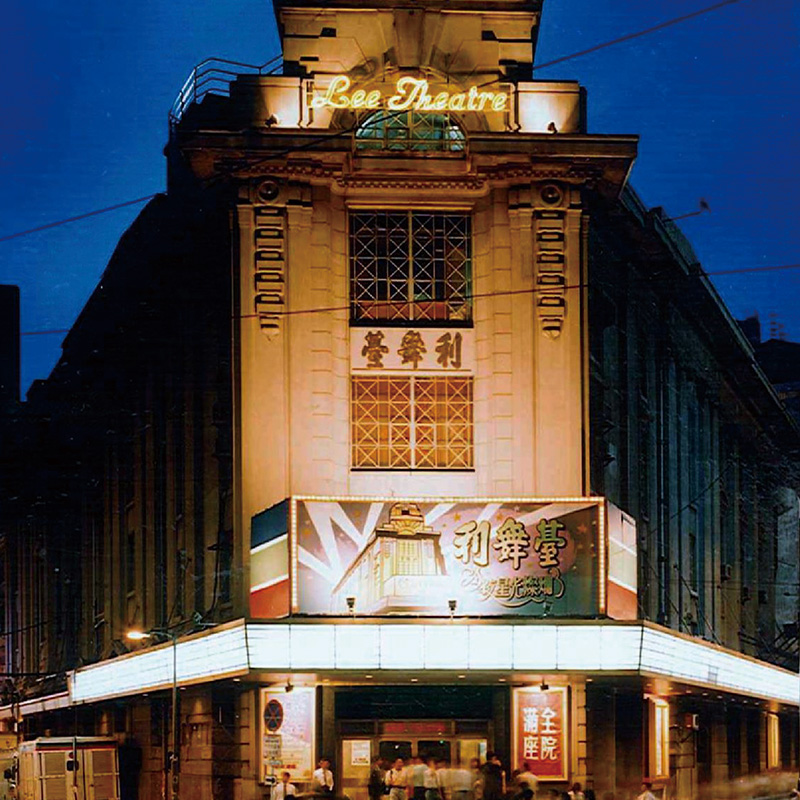
Causeway Bay: Then & Now
Feature
Causeway Bay embodies the many facets of Hong Kong – the fast pace, fascinating contrasts and dynamic energy. From the city’s very beginning to the present day, its diversity and vibrancy makes it a beloved neighbourhood.
-

Candy Cheung
Shun Kee Typhoon Shelter Seafood Owner
“We grew up here on the water. In the 1950s and 1960s, the Causeway Bay typhoon shelter used to be filled with these floating restaurants, but by the 90s, they’d begun to disappear. Some of the few that remained eventually shut down and opened up on-land instead…
-
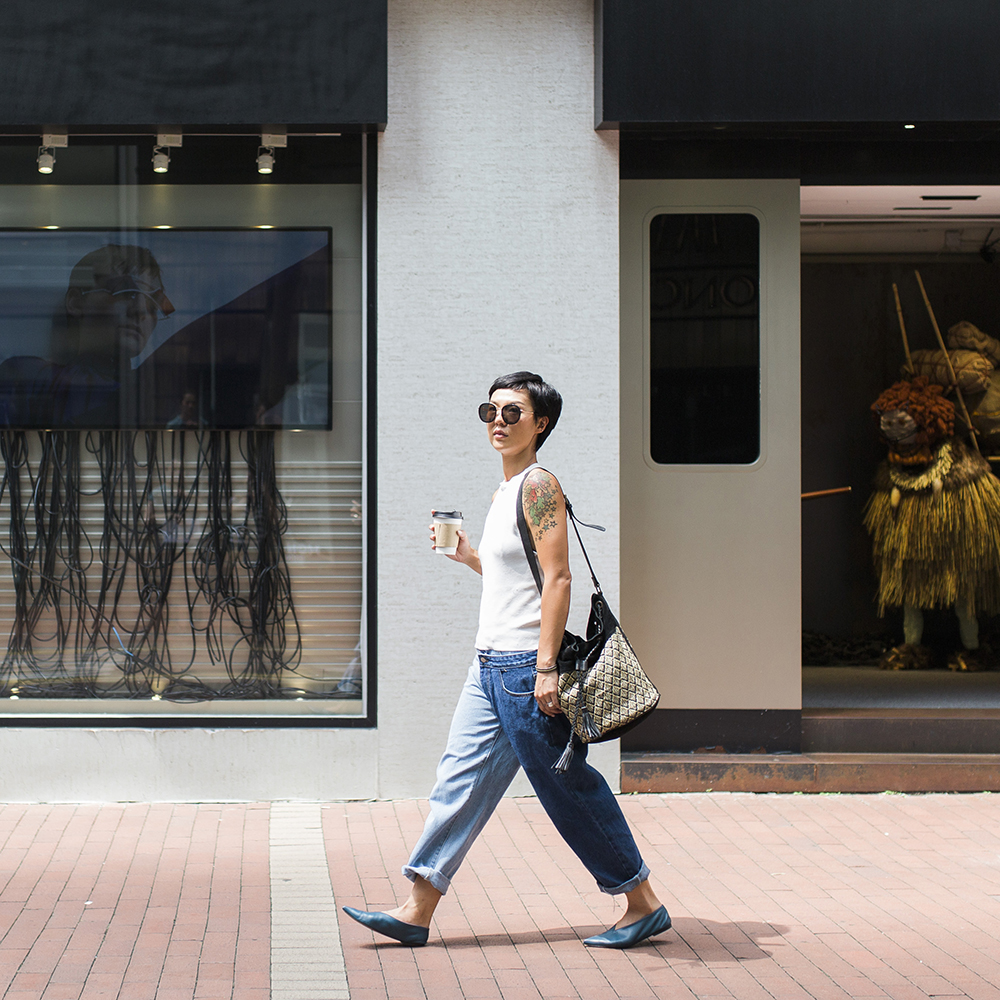
Penn Law
Fan of Gentle Monster
“I’ve been living in Happy Valley since the day I was born — I’m used to living there and I wouldn’t want to leave. On my days off, I walk my dog from…
-
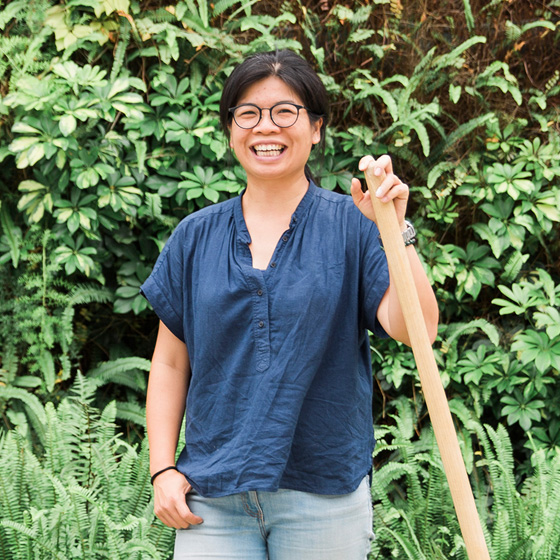
Jessica Lau
Program Manager, Sustainable Ecological Ethical Development Foundation (SEED)
A giant satellite dish is not what you’d expect to find in the middle of a farm, but then again, this is no ordinary farm: it’s located on…
-
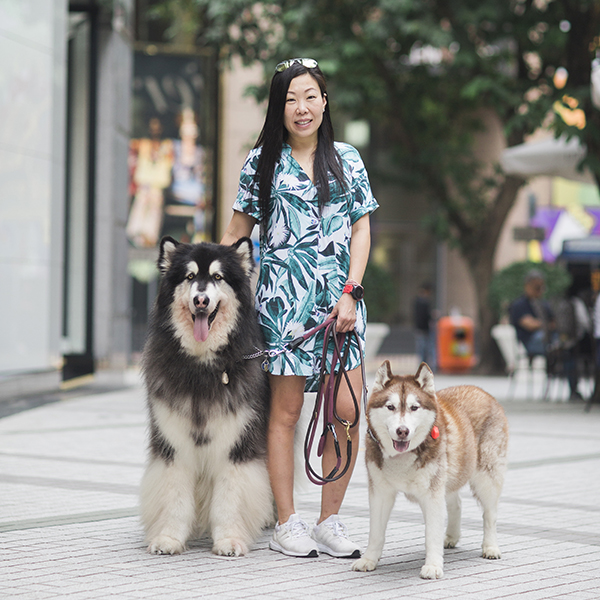
Irene, Snowie & Kolar
Husky owner
“I grew up in Causeway Bay and used to live in Tai Hang, so this area has always been my home. This is Snowie and Kolar. I’ve had Kolar for a long time; he’s 11 now while Snowie is five years old…
-
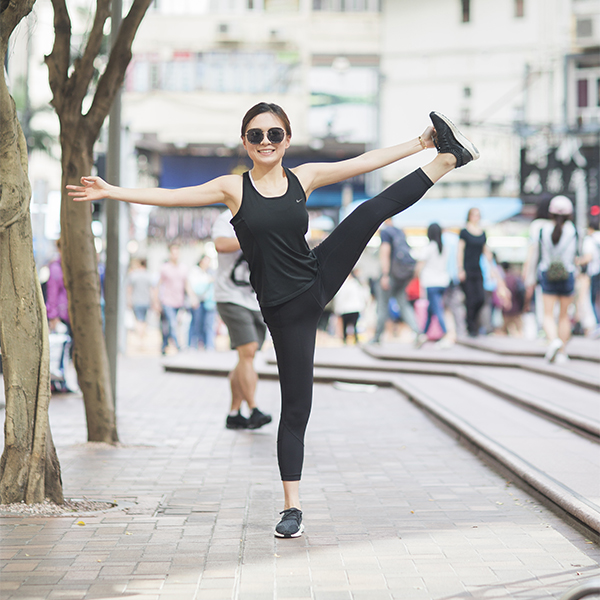
Annie Chu
Causeway Bay yogi
“Today I’m taking a Vinyasa class. I come to Causeway Bay every weekend for yoga and I like how fluid and flowy these classes are…
-
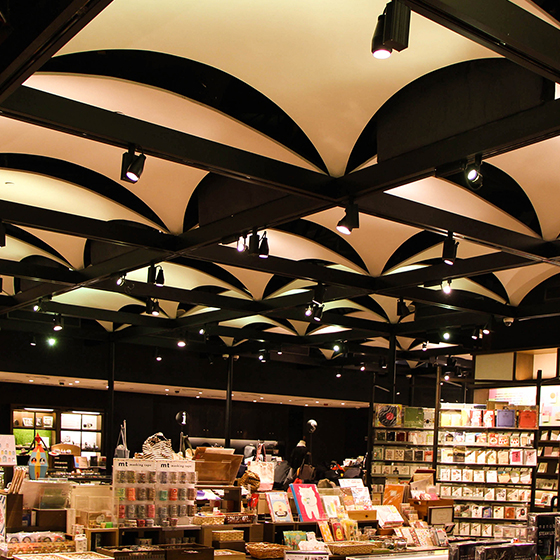
eslite
A platform for culture
Renowned Taiwanese filmmaker and actress Sylvia Chang’s latest play “Why We Chat” was inspired by the classic Chinese literary collection Liaozhai Zhiyi…
-

Rosanna Ma & Ben Leung
Zeta store owners
“We opened our shop first on Lan Fong Road in 1986, and then we moved to Lee Garden One in 2005, so we’ve had this shop for 32 years. We have seen Causeway Bay change over these years, and we have built up so many memories here.”
-
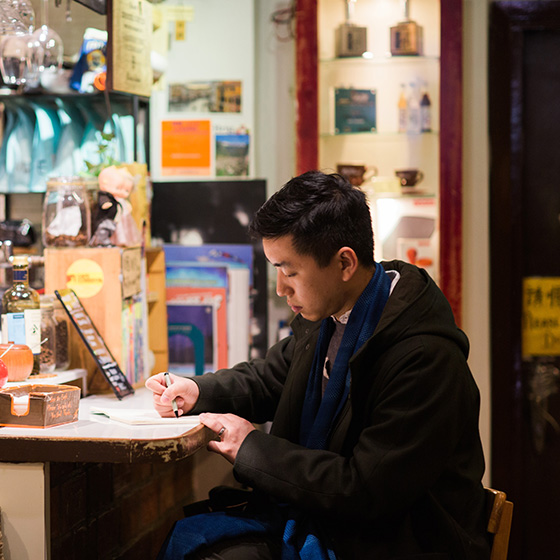
Harold Poon
Product designer
“Causeway Bay is where I met my wife, so I guess it’s a special place for me. I also love it because it’s got loads of character. There are all these small local shops…

Celebrating Causeway Bay
Feature
A neighbourhood in flux, Causeway Bay’s constant evolution keeps residents and visitors coming back for more. Whether it’s fashion, food, film or art, it’s a part of Hong Kong that keeps people mesmerised and inspired.
Causeway Bay: Then & Now
Feature
Causeway Bay embodies the many facets of Hong Kong – the fast pace, fascinating contrasts and dynamic energy. From the city’s very beginning to the present day, its diversity and vibrancy makes it a beloved neighbourhood.
-
Annie Chu
Causeway Bay yogi
“Today I’m taking a Vinyasa class. I come to Causeway Bay every weekend for yoga and I like how fluid and flowy these classes are…
-
eslite
A platform for culture
Renowned Taiwanese filmmaker and actress Sylvia Chang’s latest play “Why We Chat” was inspired by the classic Chinese literary collection Liaozhai Zhiyi…
-
Rosanna Ma & Ben Leung
Zeta store owners
“We opened our shop first on Lan Fong Road in 1986, and then we moved to Lee Garden One in 2005, so we’ve had this shop for 32 years. We have seen Causeway Bay change over these years, and we have built up so many memories here.”
-
Harold Poon
Product designer
“Causeway Bay is where I met my wife, so I guess it’s a special place for me. I also love it because it’s got loads of character. There are all these small local shops…