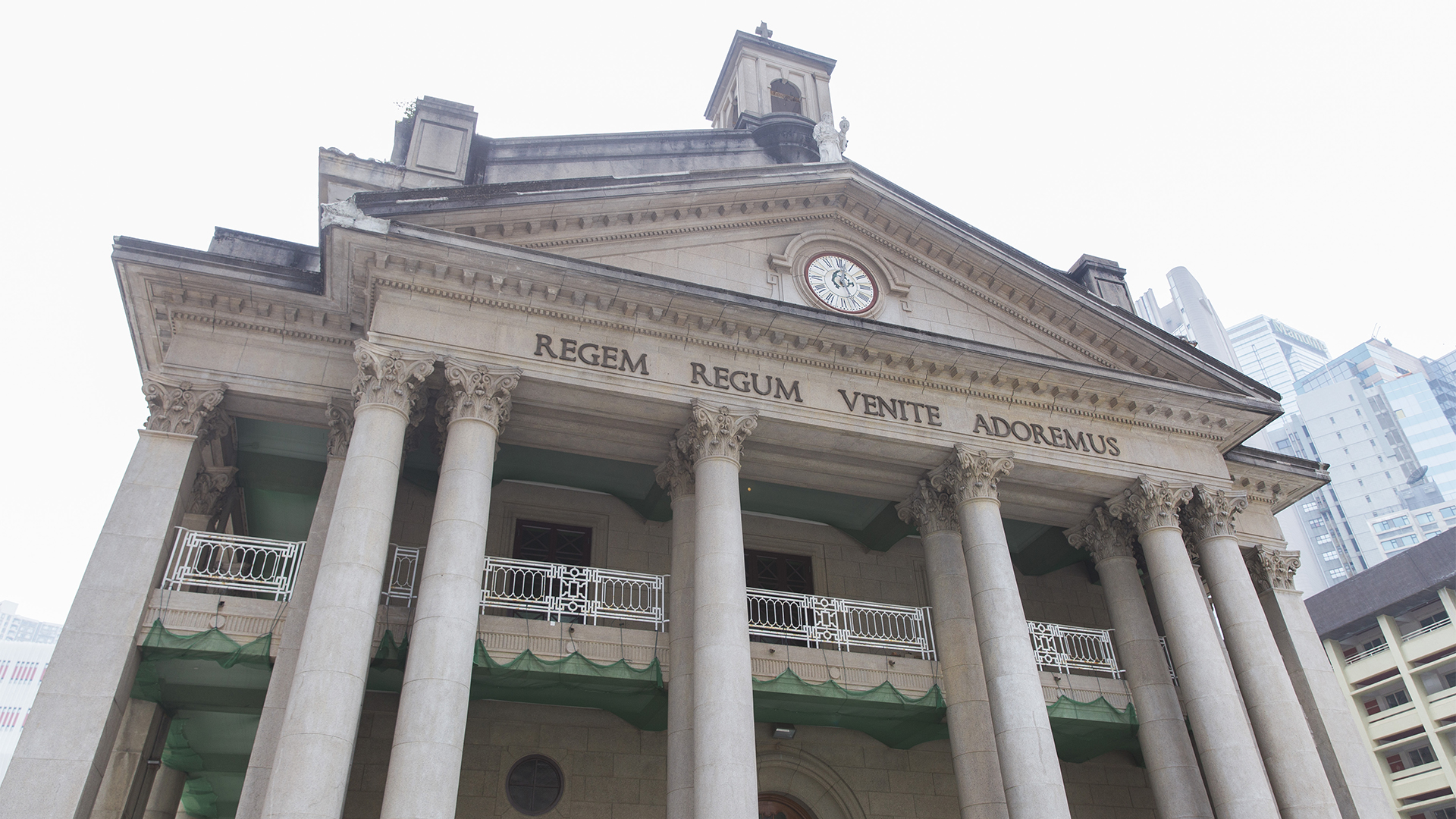
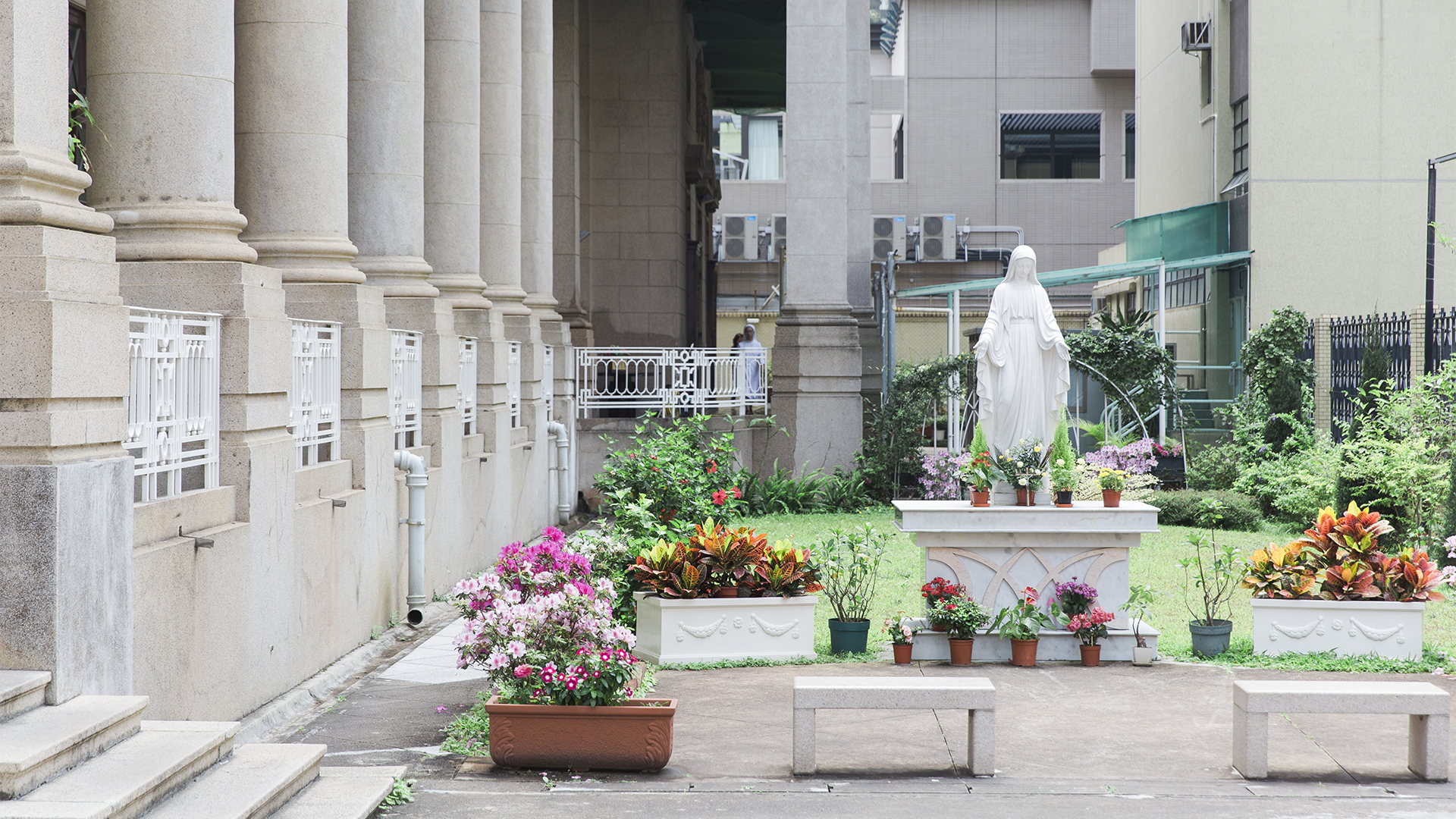
Christ the King Chapel
33 Caroline Hill Road
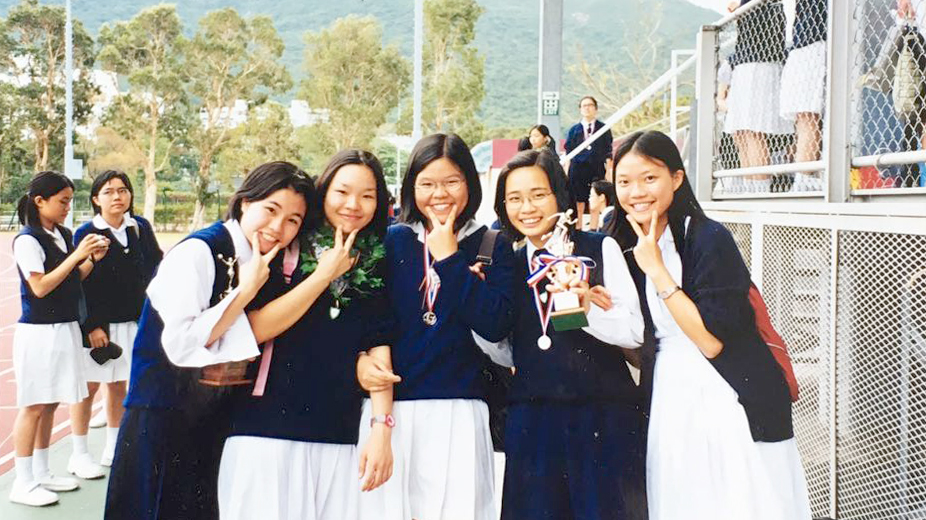
Dedicated to Christ the King, this chapel is part of the St Paul’s compound in Causeway Bay which also houses a convent and hospital. Its history can be traced back to 1848, when four Sisters of St Paul of Chartres arrived in Hong Kong after a turbulent sea voyage from France. Initially, they established an orphanage and small hospital in Wan Chai, but moved to an old factory building in Causeway Bay in 1915 to cater for the elderly and sick in addition to children. The foundation stone was laid in 1928, and the chapel was blessed and dedicated in 1930, initially as a private sanctuary for the Sisters. In 1961, the chapel started to hold Sunday mass for children. Now, any churchgoers can access the chapel for Sunday mass: the structure itself can hold up to 1,000 people at a time. Cathy Lam, who used to study at St Paul’s Secondary School, recalls, “I used to go to mass at St Paul’s Church with my schoolmates where we would sing hymns, recite the Bible and listen to sermons.”
More Stories
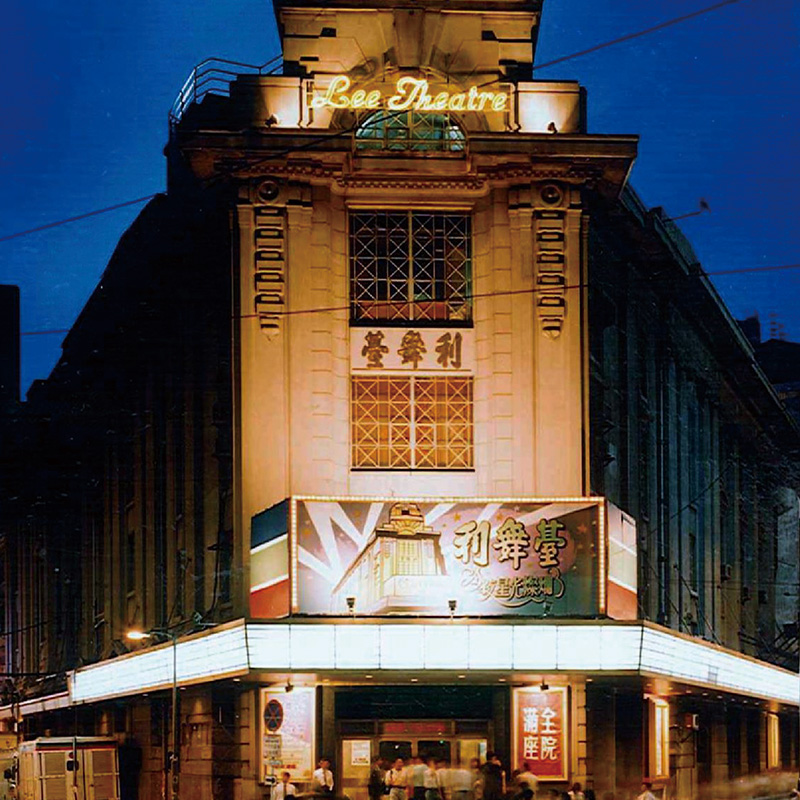
Causeway Bay: Then & Now
Feature
Causeway Bay embodies the many facets of Hong Kong – the fast pace, fascinating contrasts and dynamic energy. From the city’s very beginning to the present day, its diversity and vibrancy makes it a beloved neighbourhood.
-
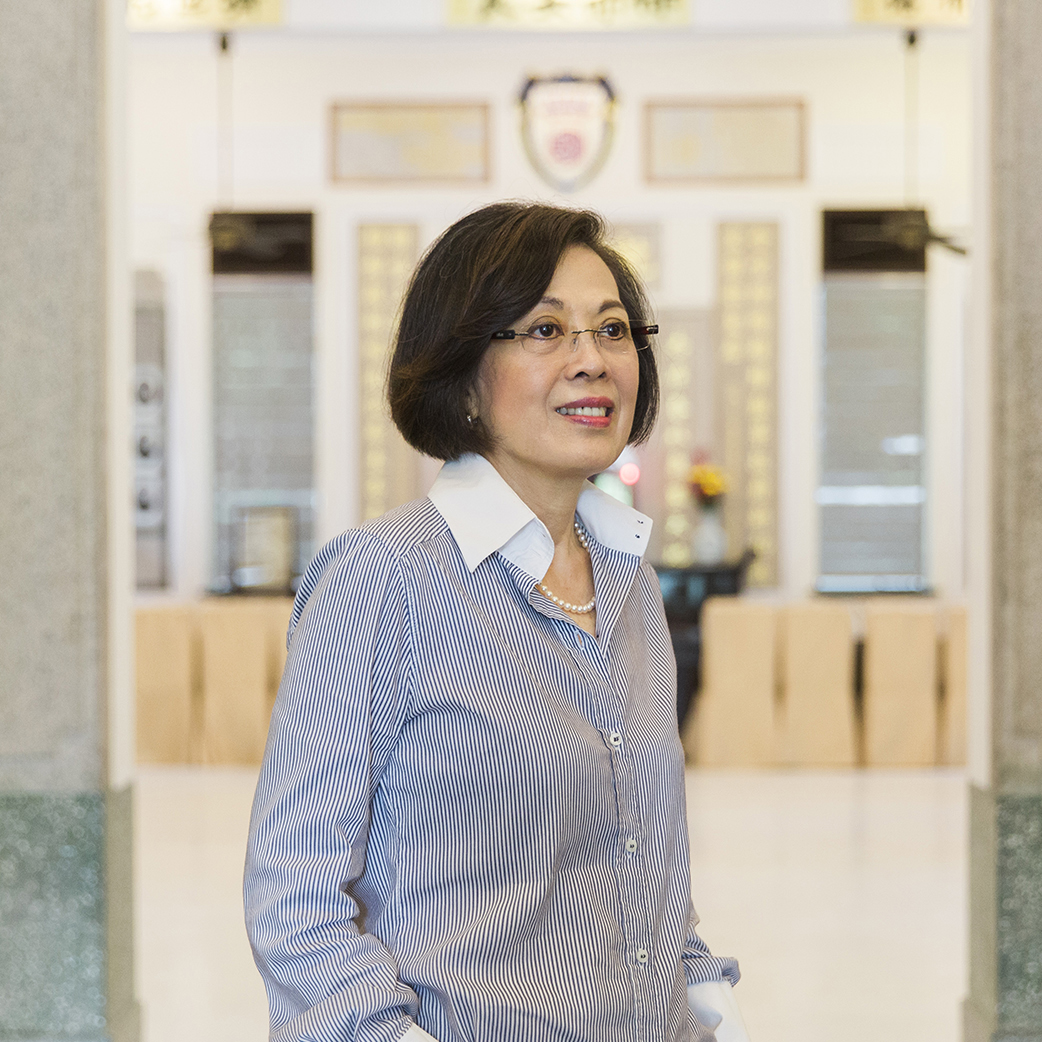
Celia Garcia
Long-term Po Leung Kuk volunteer
“Have you ever heard of ‘airplane olives’? Hawkers would scream from the ground floor, selling their snacks from the street, so we’d drop money down from our balcony and they’d throw the olives up to us…
-
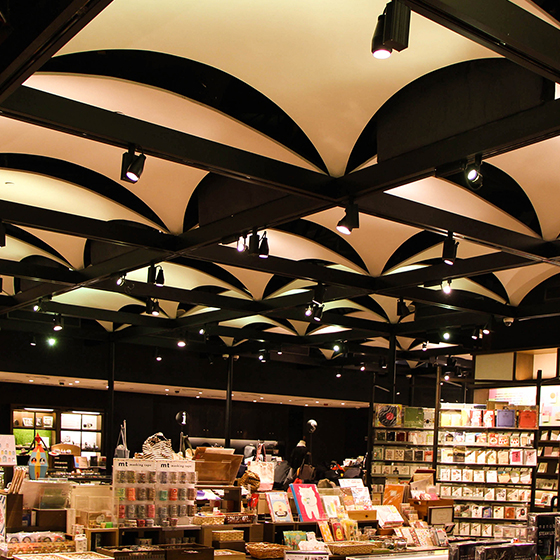
eslite
A platform for culture
Renowned Taiwanese filmmaker and actress Sylvia Chang’s latest play “Why We Chat” was inspired by the classic Chinese literary collection Liaozhai Zhiyi…
-
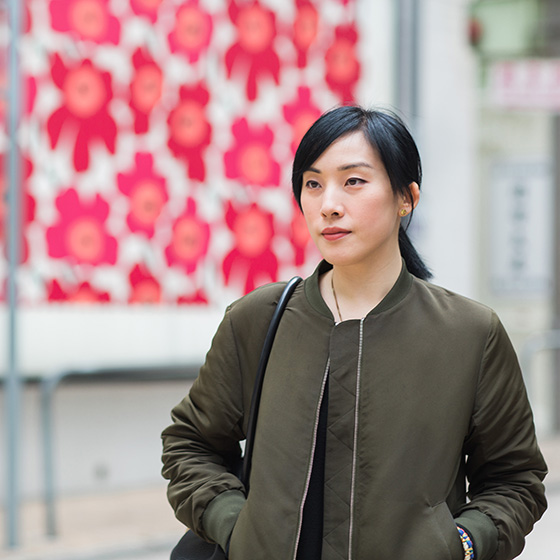
Celia Leung
Branding designer
“As a designer, I take a lot of inspiration from minimalistic Northern European design – which is the absolute opposite to the sights and sounds of Causeway Bay…
-
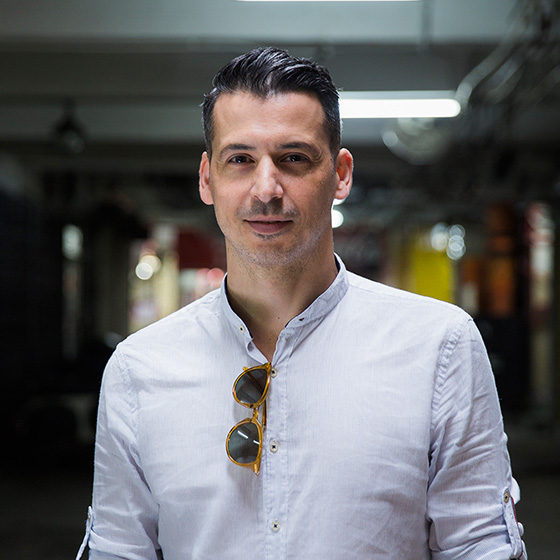
Jason Capobianco
Photographer & filmmaker
“That small alley of undercover shops inside Leishun Court is a visual masterpiece, a total cinematic moment. Fruit stand, old school printer, dai pai dong…
-
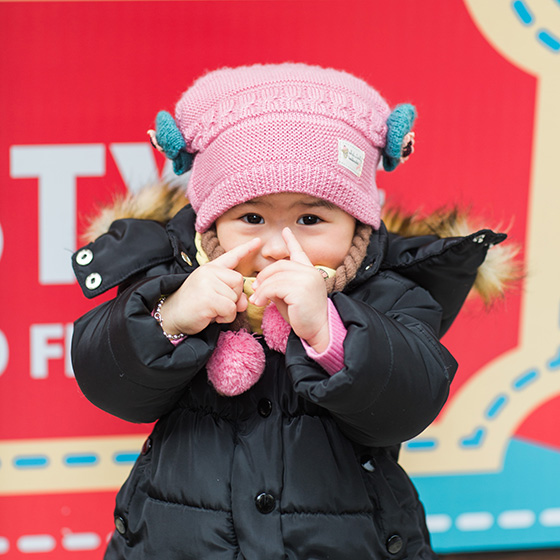
Angel Wong
Kid of Causeway Bay
-
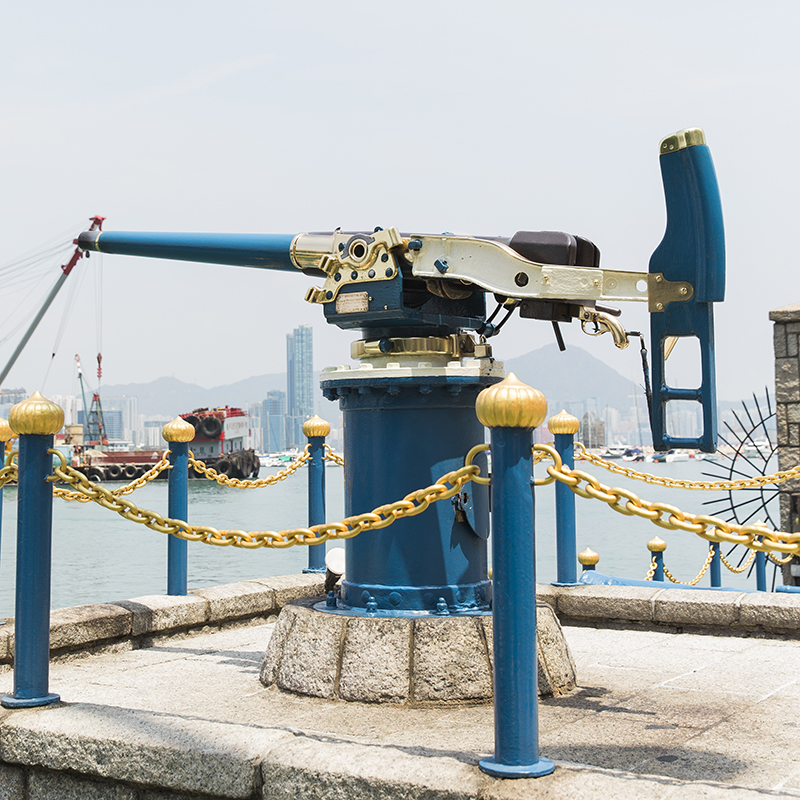
Noonday Gun
A beloved tradition
A loud ‘bang’ echoes from the Causeway Bay waterfront at precisely 12pm every day. It’s the Noonday Gun, a three-pound artillery gun…
-
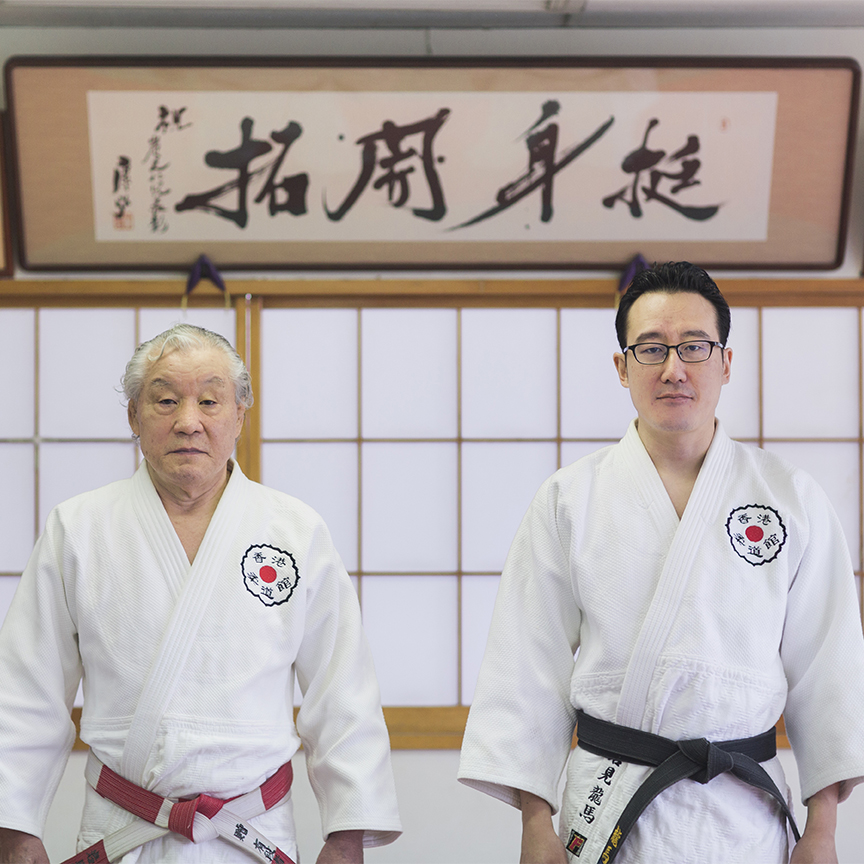
Takeo and Ryuma Iwami
Hong Kong Judo Kan
Over 50 years ago, Ryuma Iwami’s father Takeo came to Hong Kong with the desire to bring with him a part of Japan and its culture: judo. His dojo, Hong Kong Judo Kan, was established in Prince Edward in 1966, and later relocated to Causeway Bay.
-
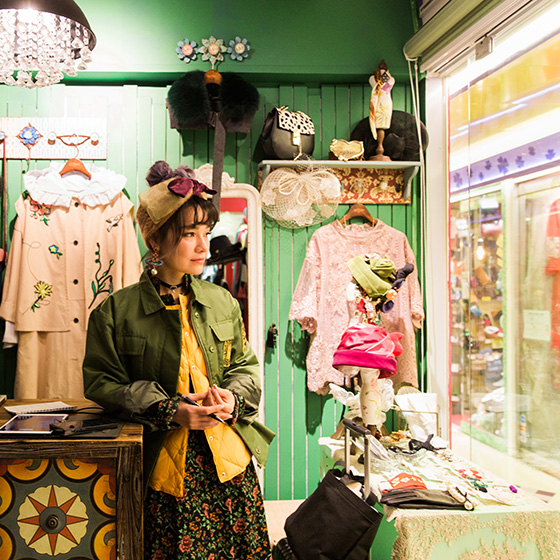
Gwyneth
Shop owner
“I studied design and used to work in marketing. One day, I did a fashion show and one of the sponsors asked why I wasn’t in fashion because I seemed to have a sense for it…

Celebrating Causeway Bay
Feature
A neighbourhood in flux, Causeway Bay’s constant evolution keeps residents and visitors coming back for more. Whether it’s fashion, food, film or art, it’s a part of Hong Kong that keeps people mesmerised and inspired.
Causeway Bay: Then & Now
Feature
Causeway Bay embodies the many facets of Hong Kong – the fast pace, fascinating contrasts and dynamic energy. From the city’s very beginning to the present day, its diversity and vibrancy makes it a beloved neighbourhood.
-
Angel Wong
Kid of Causeway Bay
-
Noonday Gun
A beloved tradition
A loud ‘bang’ echoes from the Causeway Bay waterfront at precisely 12pm every day. It’s the Noonday Gun, a three-pound artillery gun…
-
Takeo and Ryuma Iwami
Hong Kong Judo Kan
Over 50 years ago, Ryuma Iwami’s father Takeo came to Hong Kong with the desire to bring with him a part of Japan and its culture: judo. His dojo, Hong Kong Judo Kan, was established in Prince Edward in 1966, and later relocated to Causeway Bay.
-
Gwyneth
Shop owner
“I studied design and used to work in marketing. One day, I did a fashion show and one of the sponsors asked why I wasn’t in fashion because I seemed to have a sense for it…