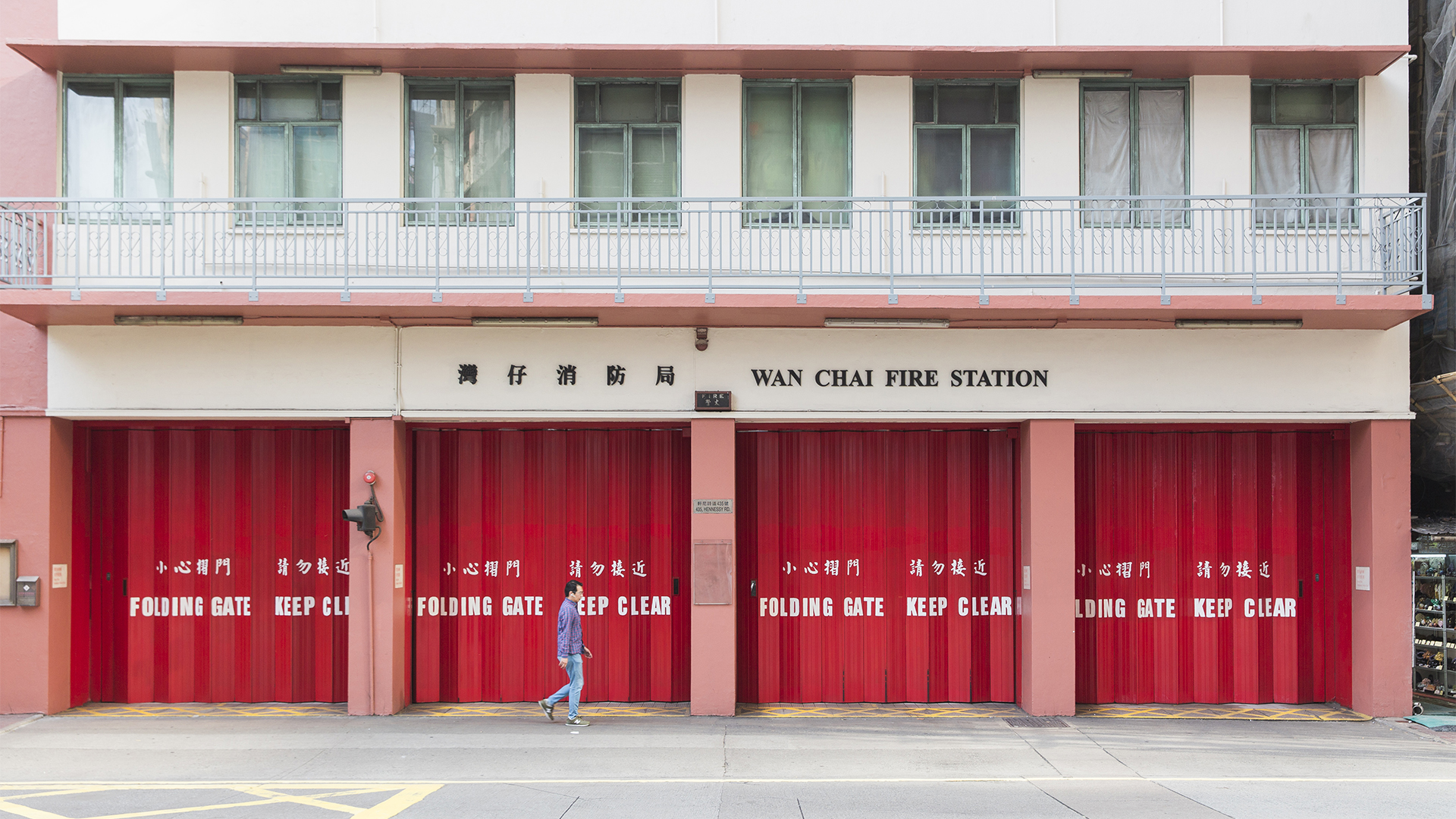
Wan Chai Fire Station
435 Hennessy Road
Wan Chai Fire Station is the oldest fire station still standing in Hong Kong. Its maroon facade and retro-style balconies distinguish it from other fire stations in the city, which have followed a standard design since 1958. In 1966, Hong Kong experienced a drought so severe that the Water Authority put a ban in place, during which fire stations had to share their water supply with the general public and would only receive water every four days until the drought ended.
Wan Chai Fire Station stands next to the Canal Road flyover on Hennessy Road. Evelyn Phoa would pass by the Wan Chai Fire Station every day on her way to school. “I couldn’t help but wonder what was happening behind those doors,” she says. The four-storey building houses offices, a canteen, dormitory for on-duty firemen, a recreation room, kitchen and bathroom, married quarters and more.
More Stories
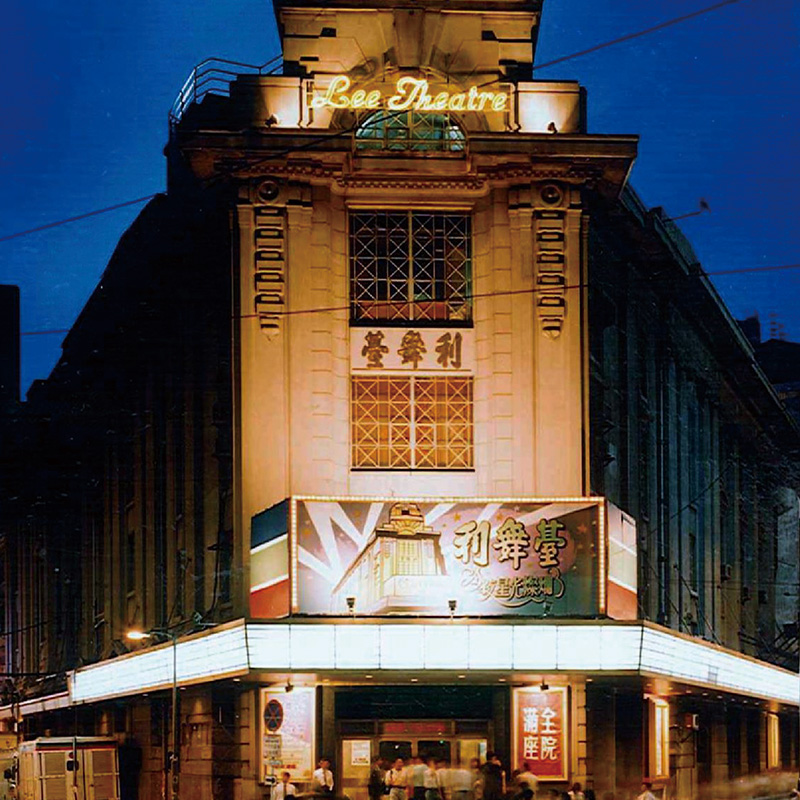
Causeway Bay: Then & Now
Feature
Causeway Bay embodies the many facets of Hong Kong – the fast pace, fascinating contrasts and dynamic energy. From the city’s very beginning to the present day, its diversity and vibrancy makes it a beloved neighbourhood.
-

Clement Ng
Salesperson, Journalize
“We aren’t really like other stationery stores and people started noticing us when we were mentioned in a blog. We slowly developed our own style of running a store…
-

Boon Yuen
French Bulldog
“I live above Fung Shing Restaurant. Every day I go for a walk at the Happy Valley racecourse then rest by the benches. Then we go for another round before…
-

Charmaine Choi
Shopper in Causeway Bay
“I just finished shopping at Victoria’s Secret; I was really excited when I found out they were opening as I’d always go there with my girlfriends when I studied overseas…
-

Co-working in Causeway Bay
Nancy Yip, Area Director, IWG and Thomas Hui, Co-founder & CEO, theDesk
For Thomas Hui, it’s all about building communities. He’s the co-founder and CEO of theDesk, a co-working brand with four offices in Hong Kong, and one upcoming office in Shanghai. For Nancy Yip, it’s about creating a welcoming environment. She’s the Area Director for International Workplace Group…
-

James Robertson
Founder of El Grande Concepts
Chances are you’ve eaten at one of El Grande Concepts’ many bars and restaurants. They include Hong Kong favourites Grappa’s and Inn Side Out. Founder James Robertson…
-

Dr Lau
Chinese Medicine Practitioner
Dr Lau Tai-yum can recall the days when Lee Garden was just a quarry where he and his school friends would play. “There were only a couple of shops…
-
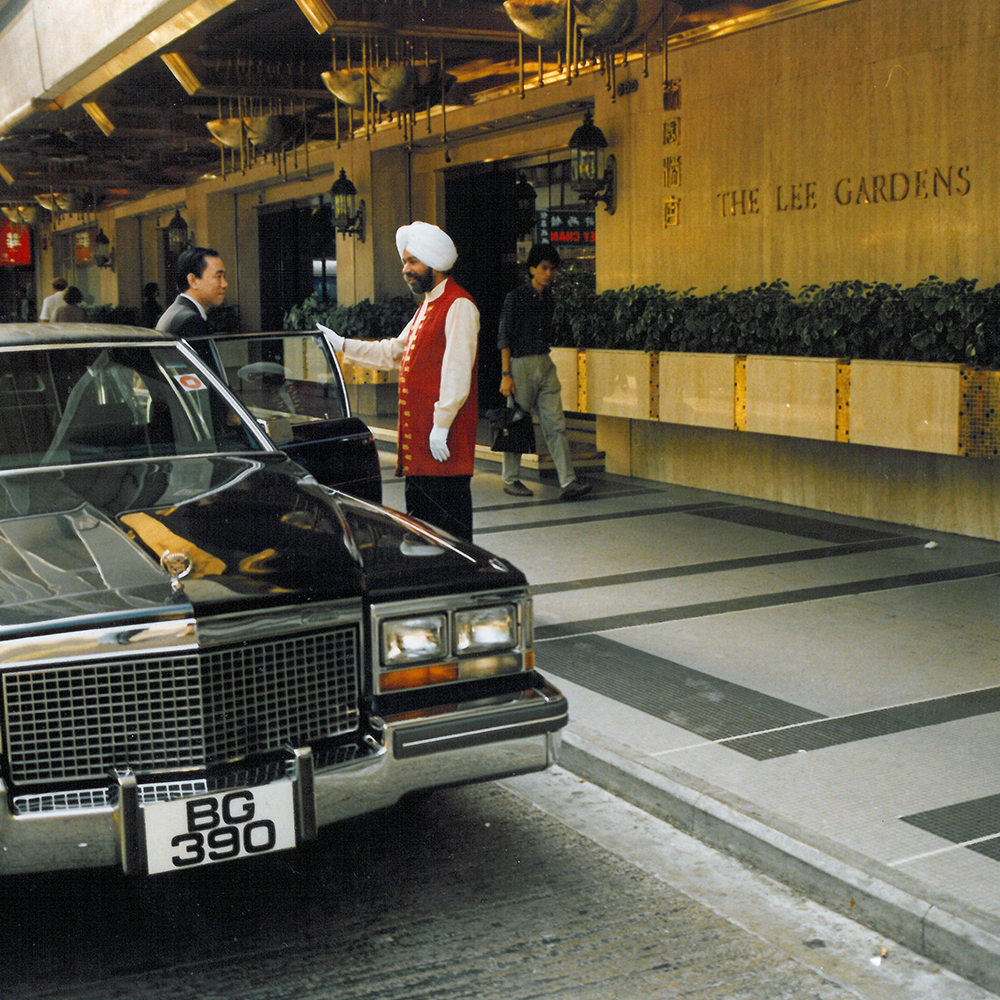
The Lee Gardens Hotel
Joseph Yung, former General Manager and Toh Toh Ma, former Chief Executive
Even now, 25 years after its doors closed for the last time, the legacy of Lee Gardens Hotel lives on in the memory of those who called the hotel their home…
-

Olaf
The dog
“I’m nearly 2 years old now. I love going out and always wear my rain coat in bad weather. Today, I’m at Fashion Walk and we are stopping for a break at…

Celebrating Causeway Bay
Feature
A neighbourhood in flux, Causeway Bay’s constant evolution keeps residents and visitors coming back for more. Whether it’s fashion, food, film or art, it’s a part of Hong Kong that keeps people mesmerised and inspired.
Causeway Bay: Then & Now
Feature
Causeway Bay embodies the many facets of Hong Kong – the fast pace, fascinating contrasts and dynamic energy. From the city’s very beginning to the present day, its diversity and vibrancy makes it a beloved neighbourhood.
-
James Robertson
Founder of El Grande Concepts
Chances are you’ve eaten at one of El Grande Concepts’ many bars and restaurants. They include Hong Kong favourites Grappa’s and Inn Side Out. Founder James Robertson…
-
Dr Lau
Chinese Medicine Practitioner
Dr Lau Tai-yum can recall the days when Lee Garden was just a quarry where he and his school friends would play. “There were only a couple of shops…
-
The Lee Gardens Hotel
Joseph Yung, former General Manager and Toh Toh Ma, former Chief Executive
Even now, 25 years after its doors closed for the last time, the legacy of Lee Gardens Hotel lives on in the memory of those who called the hotel their home…
-
Olaf
The dog
“I’m nearly 2 years old now. I love going out and always wear my rain coat in bad weather. Today, I’m at Fashion Walk and we are stopping for a break at…