Noonday Gun
A beloved tradition
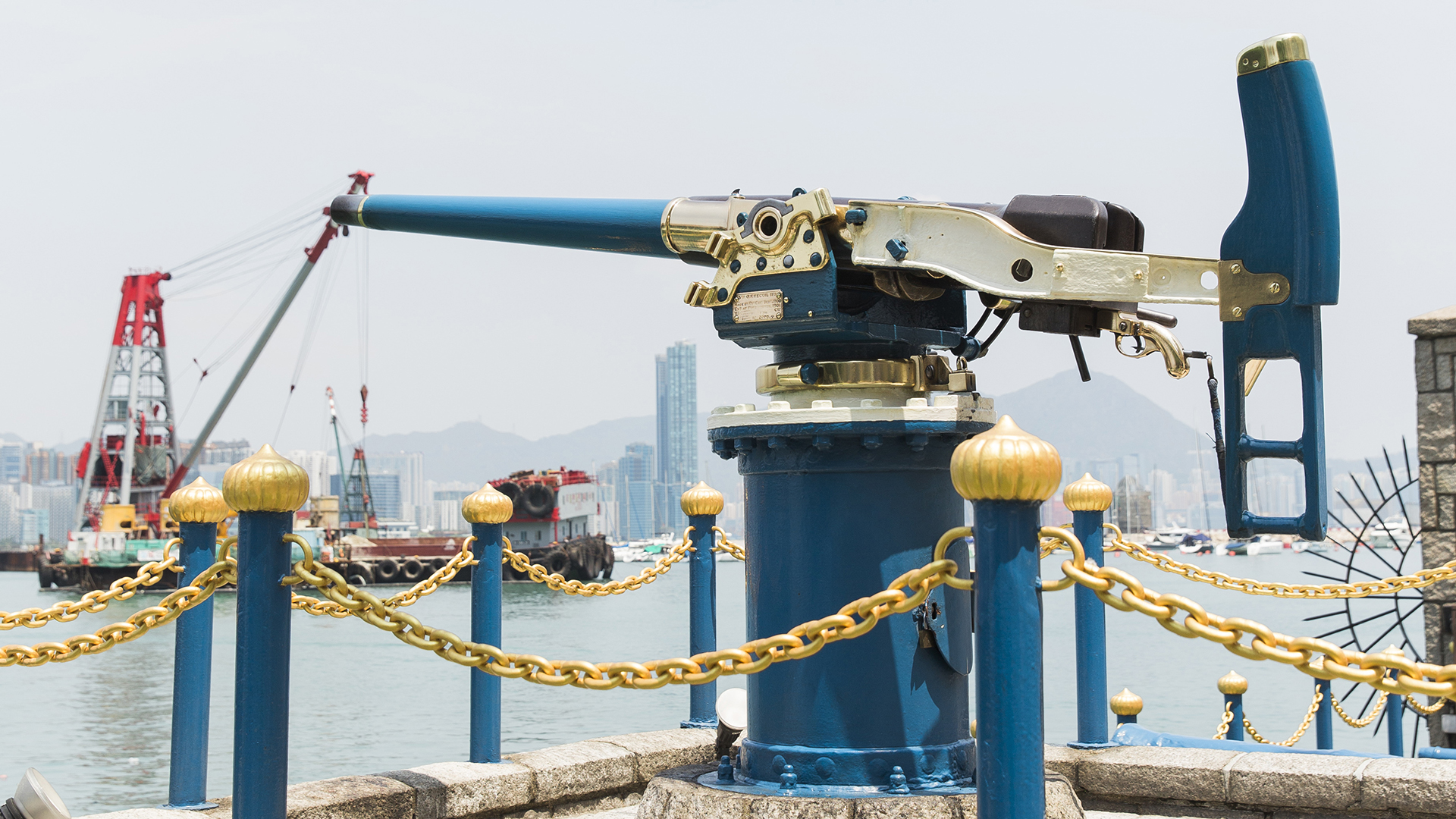
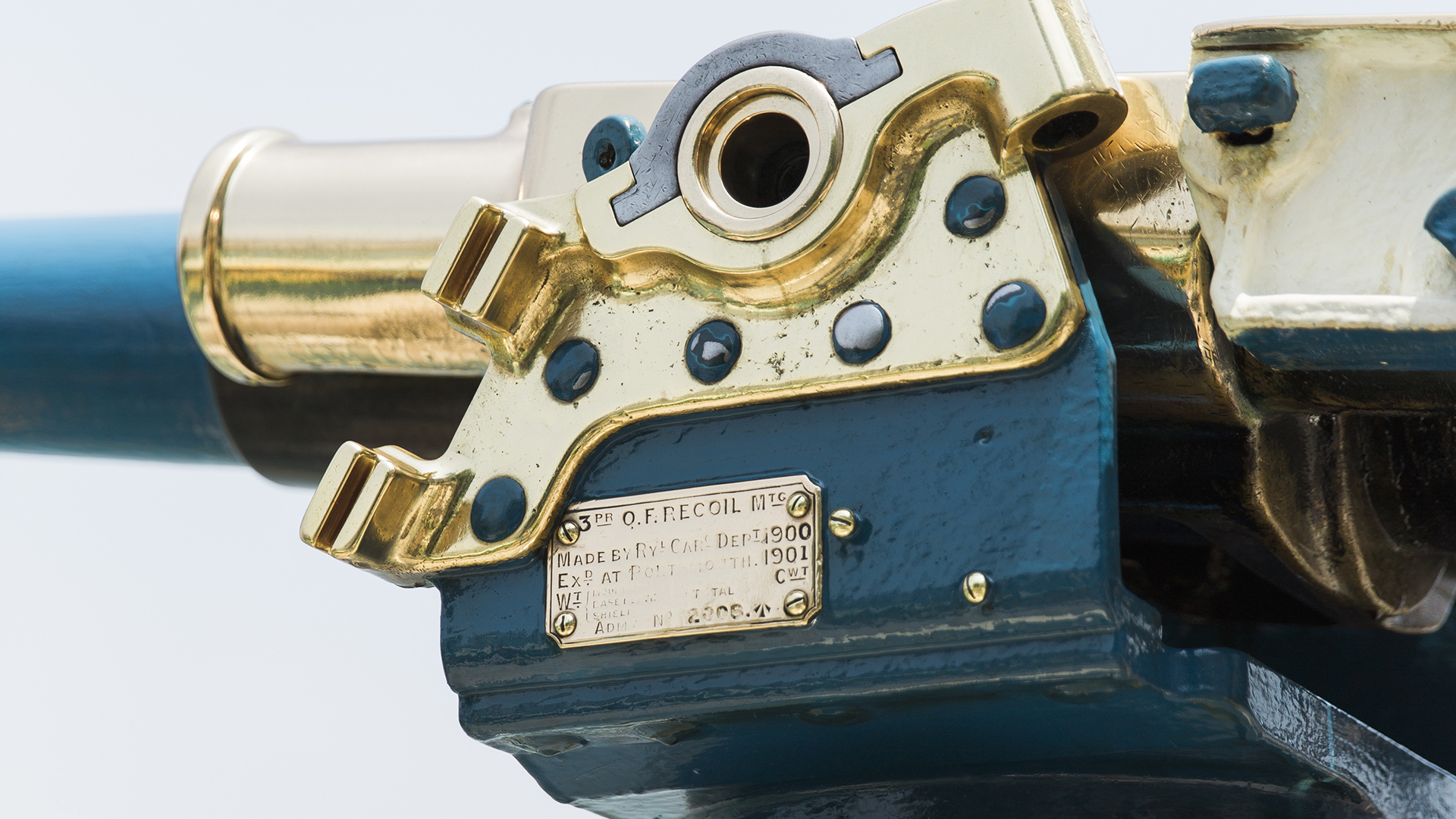
A loud ‘bang’ echoes from the Causeway Bay waterfront at precisely 12pm every day. It’s the Noonday Gun, a three-pound artillery gun mounted overlooking the harbour, which has been fired at this time every day since the 1860s. This tradition dates back to colonial days when Jardine Matheson owned a number of large warehouses in the area that is now Causeway Bay. Back then, the company had a policy of firing a one-gun salute from this location every time the head of Jardine sailed into Hong Kong. The story goes that a Royal Naval Officer, who was new to Hong Kong, took offence at the practise because gun salutes were meant only for military commanders, not for civilians, no matter how important. As punishment, the Officer required that Jardine fire the gun every day at noon to help the public keep track of the time, and the tradition has continued more than 150 years to the present day.
More Stories
Causeway Bay: Then & Now
Feature
Causeway Bay embodies the many facets of Hong Kong – the fast pace, fascinating contrasts and dynamic energy. From the city’s very beginning to the present day, its diversity and vibrancy makes it a beloved neighbourhood.
-
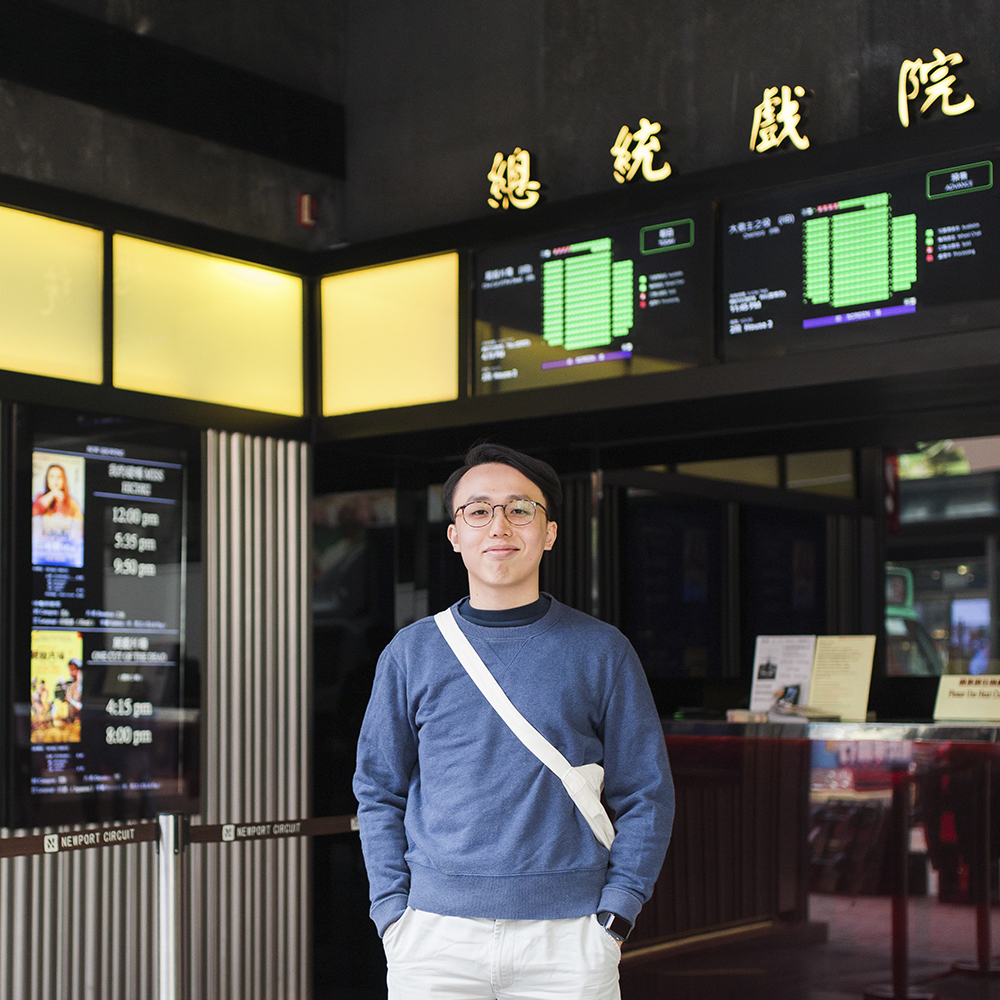
Scott Chou
Fan of President Theatre
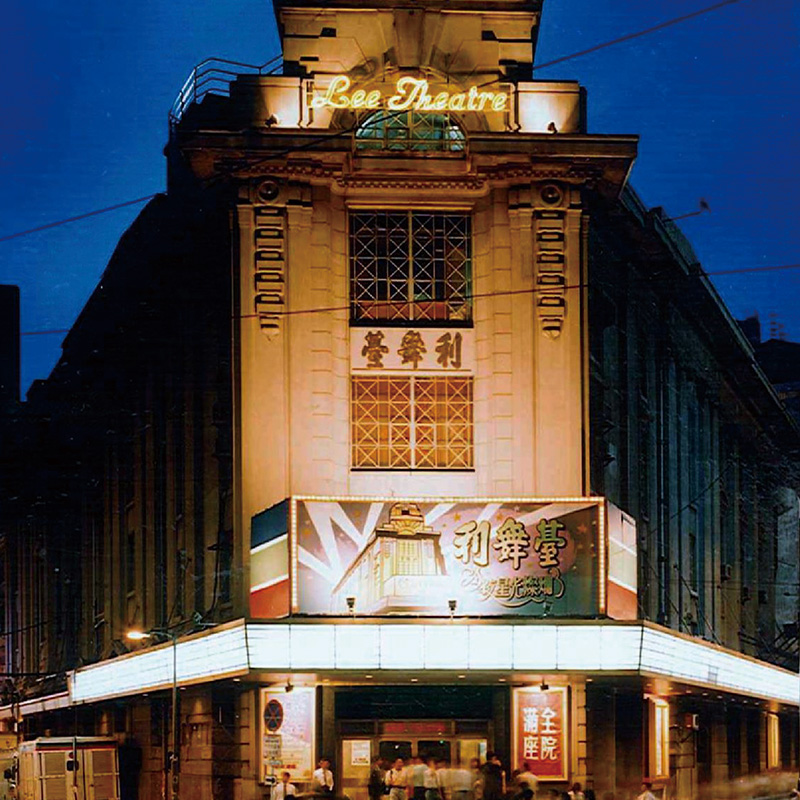
“I’m a huge fan of the movies. I go to the cinema at least once a week and the President Theatre is really my favourite place to go. I guess it all comes from when I was young…
-
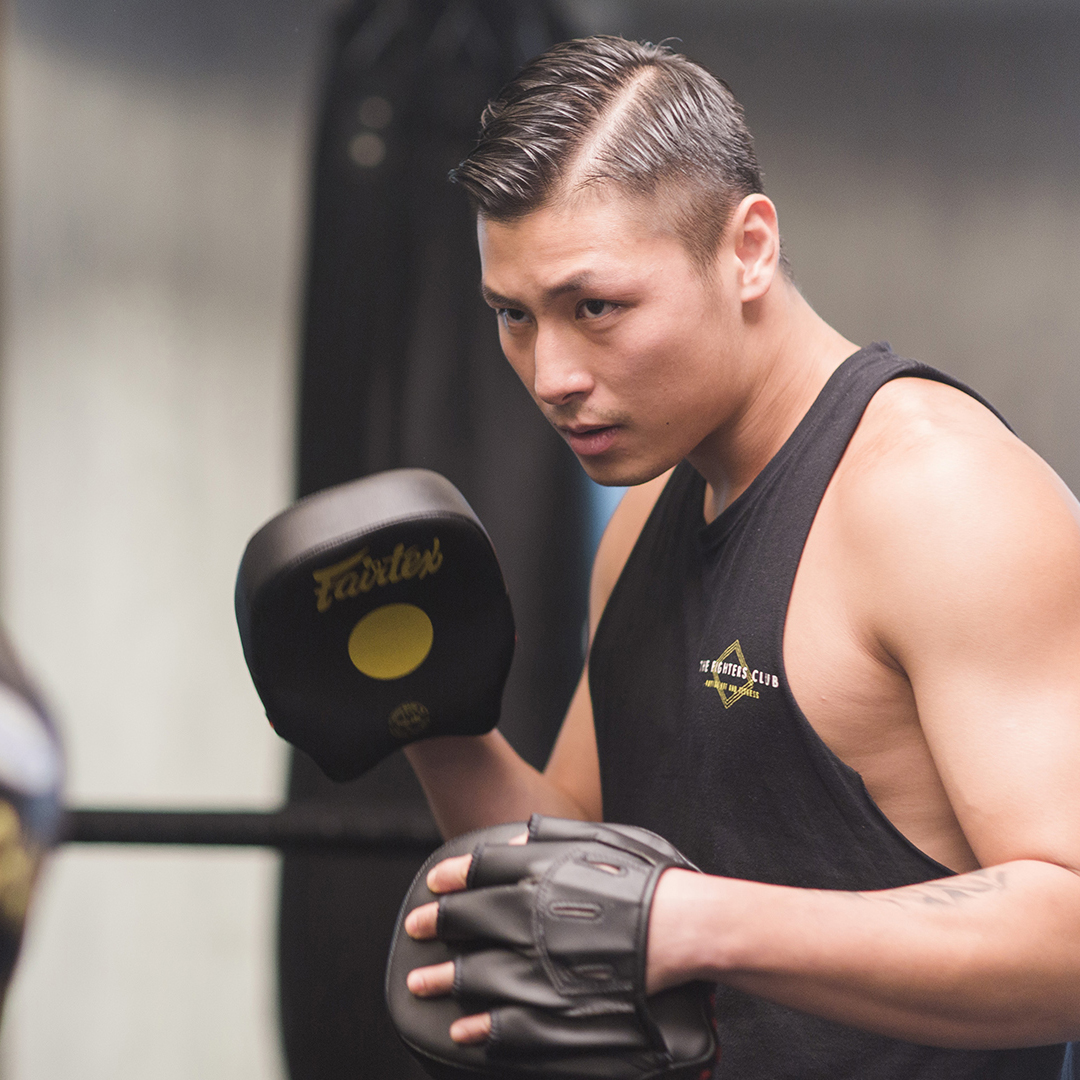
Jimmy Leung
Martial artist and Founder, THE FIGHTERS CLUB
If it were up to Jimmy Leung, he’d have begun his martial arts training when he was a little kid. But the biggest adversary to his plan wasn’t some opponent in the ring…
-
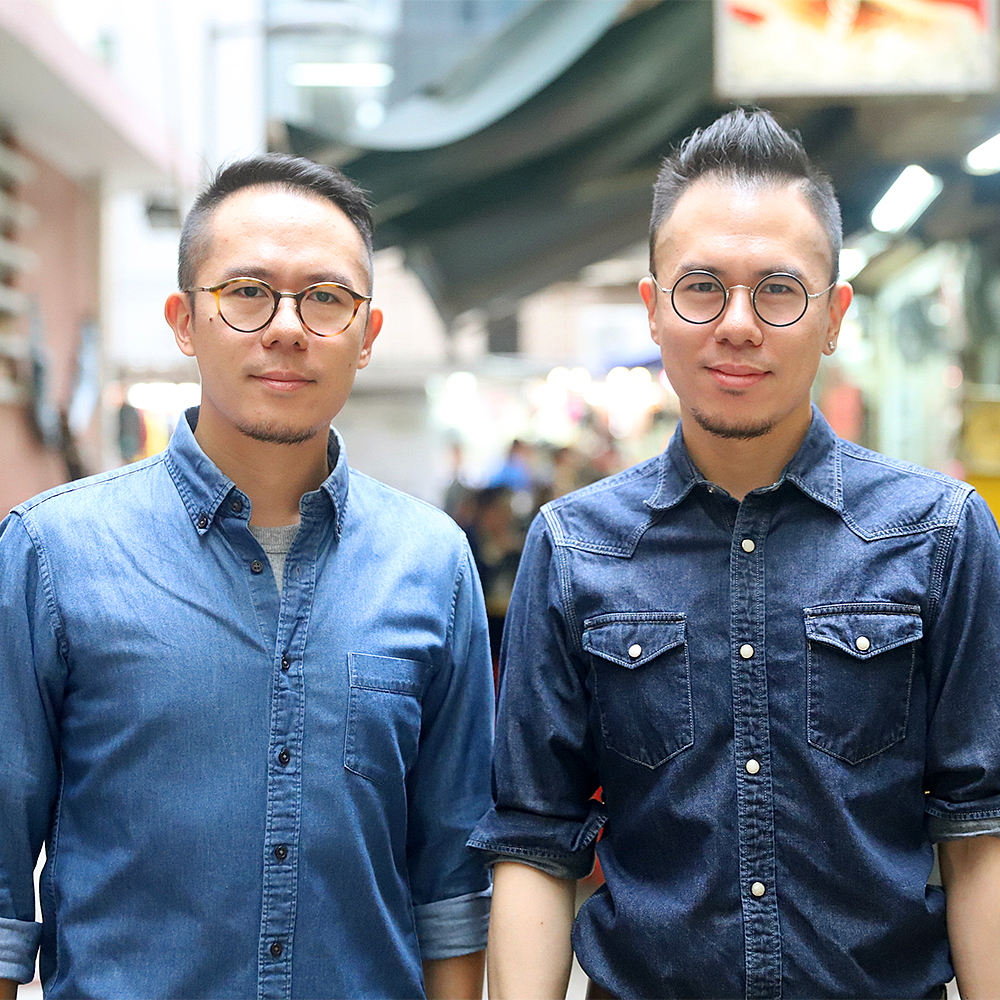
The Tsui Brothers
Cartoonists
“We’re the Tsui Brothers, the authors of Milktealogy. It’s our research project about ‘cha chaan teng’ culture here in Hong Kong…
-
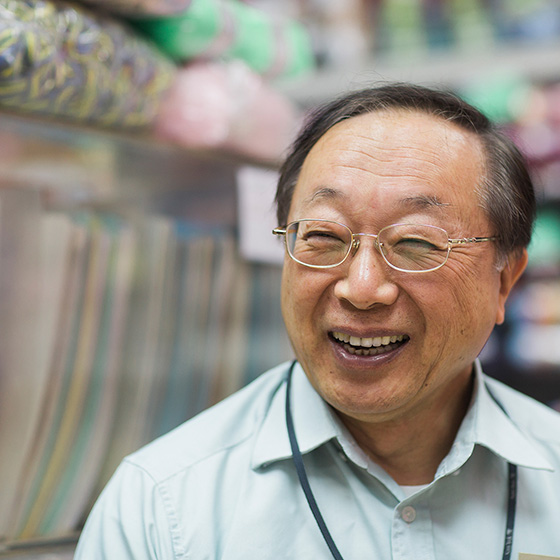
Mr Cheng
Owner, Paris Cotton Singlets Company
My father and I were refugees who came to Hong Kong in 1948. At first, he worked at a construction site for HK$5 a day. We rented half a store and set up a…
-
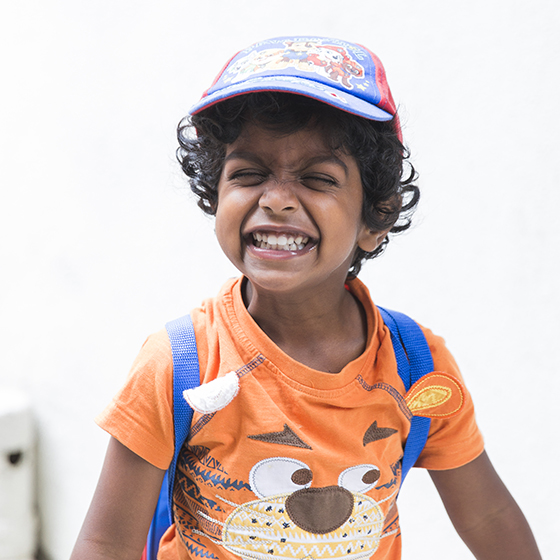
Gabriel
Kid of Tai Hang
“I’m happy because I’m on holiday today and I’m going to the market! My bag is full of snacks and water…
-
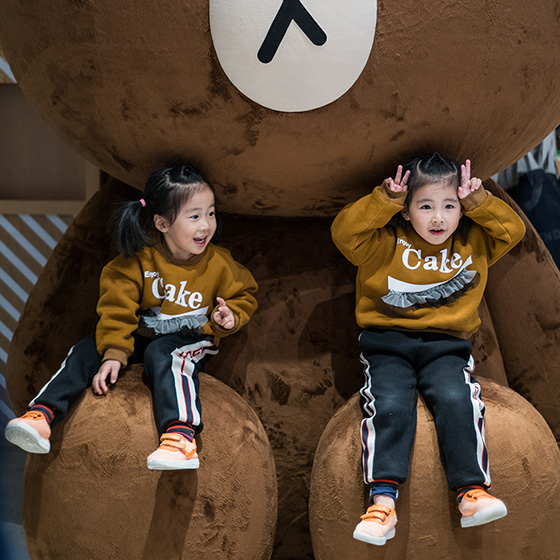
Amanda & Rebecca Li
Twins
“We love this bear so much, we tried to match our outfits with him today…
-
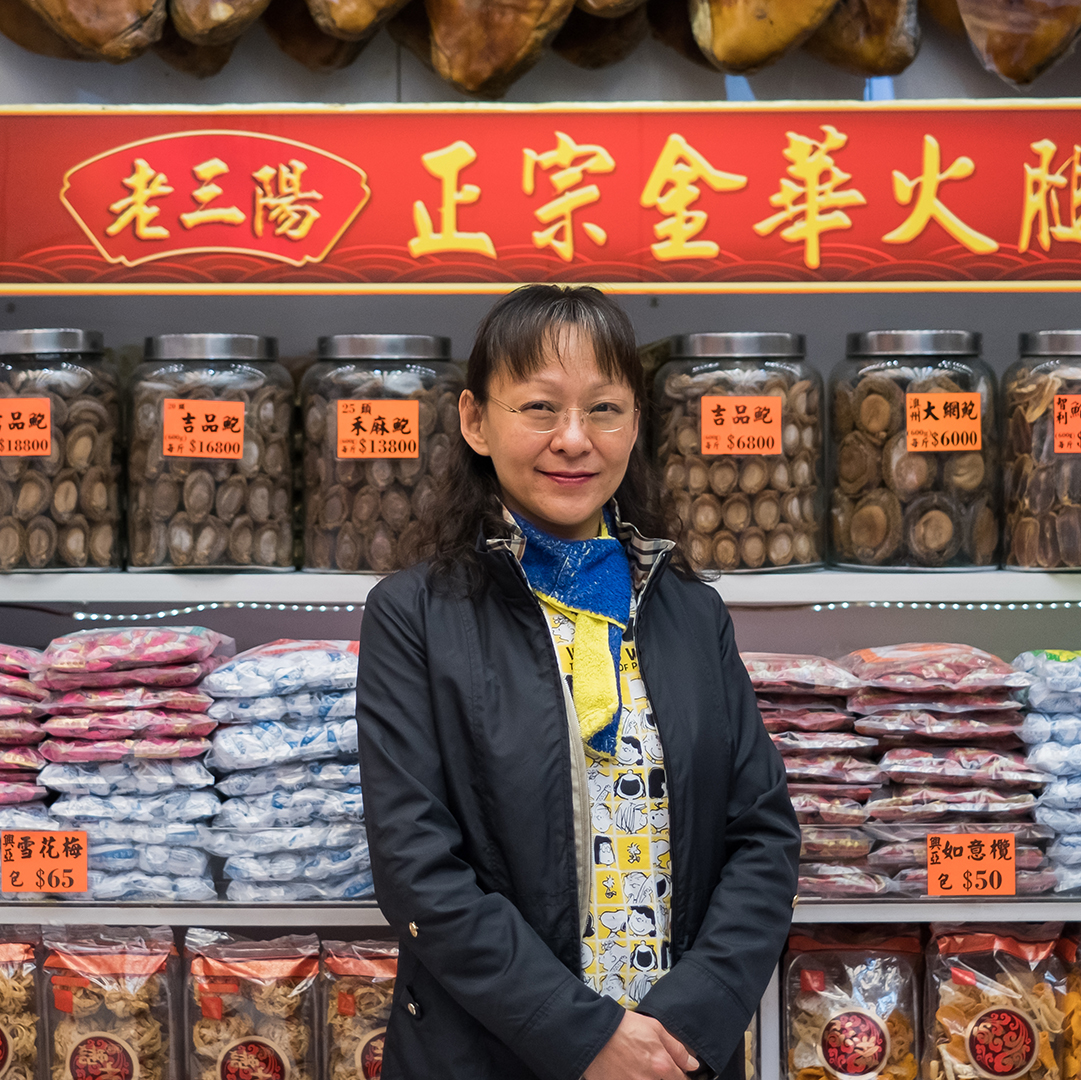
Sandy Ki
Owner, Old San Yang
It’s difficult to imagine Causeway Bay as anything but a bustling metropolis, but Sandy Ki has witnessed the neighbourhood evolve into the burgeoning business and shopping hub it is today…
-
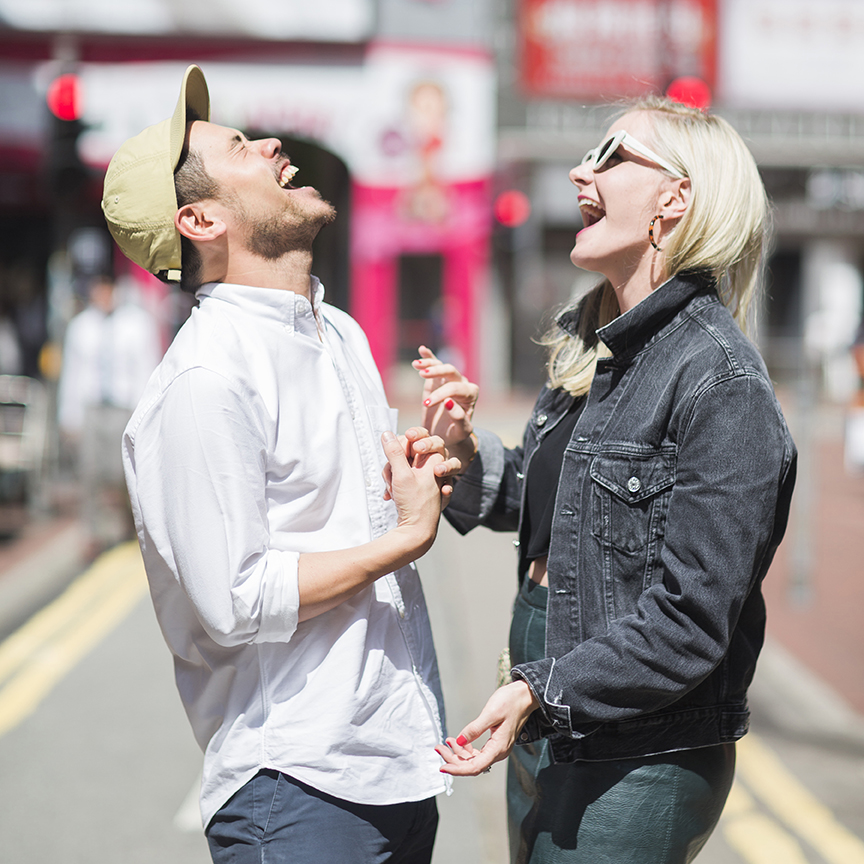
Paul & Jocelyn
Lovebirds of Causeway Bay
Jocelyn: “I moved to Hong Kong from the Chicago suburbs at the age of 11. Causeway Bay was a total assault on the senses in the best way possible – there is so much energy and vibrancy, but also an an instant connection to the pulse of Hong Kong.”

Celebrating Causeway Bay
Feature
A neighbourhood in flux, Causeway Bay’s constant evolution keeps residents and visitors coming back for more. Whether it’s fashion, food, film or art, it’s a part of Hong Kong that keeps people mesmerised and inspired.
Causeway Bay: Then & Now
Feature
Causeway Bay embodies the many facets of Hong Kong – the fast pace, fascinating contrasts and dynamic energy. From the city’s very beginning to the present day, its diversity and vibrancy makes it a beloved neighbourhood.
-
Gabriel
Kid of Tai Hang
“I’m happy because I’m on holiday today and I’m going to the market! My bag is full of snacks and water…
-
Amanda & Rebecca Li
Twins
“We love this bear so much, we tried to match our outfits with him today…
-
Sandy Ki
Owner, Old San Yang
It’s difficult to imagine Causeway Bay as anything but a bustling metropolis, but Sandy Ki has witnessed the neighbourhood evolve into the burgeoning business and shopping hub it is today…
-
Paul & Jocelyn
Lovebirds of Causeway Bay
Jocelyn: “I moved to Hong Kong from the Chicago suburbs at the age of 11. Causeway Bay was a total assault on the senses in the best way possible – there is so much energy and vibrancy, but also an an instant connection to the pulse of Hong Kong.”