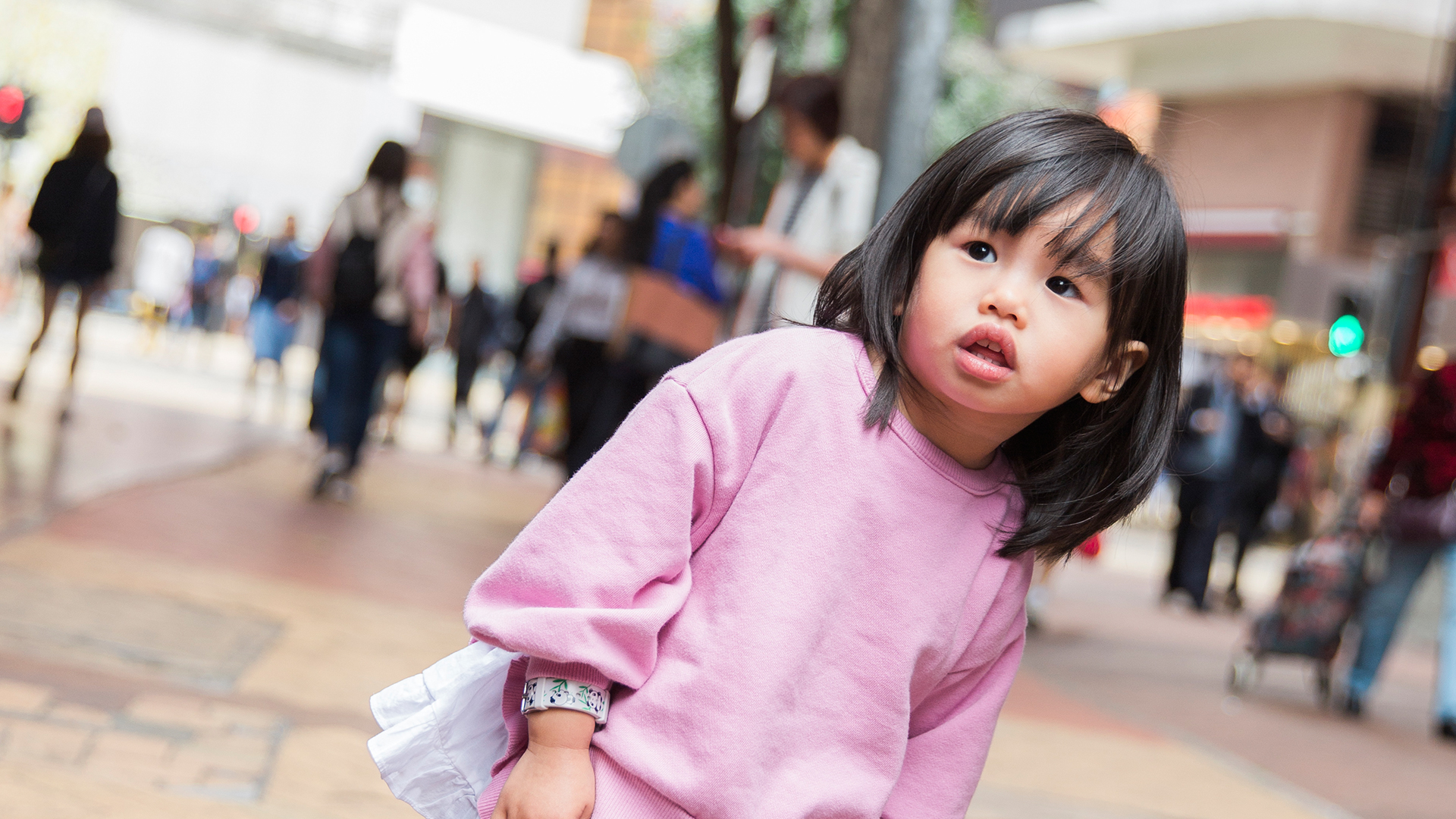
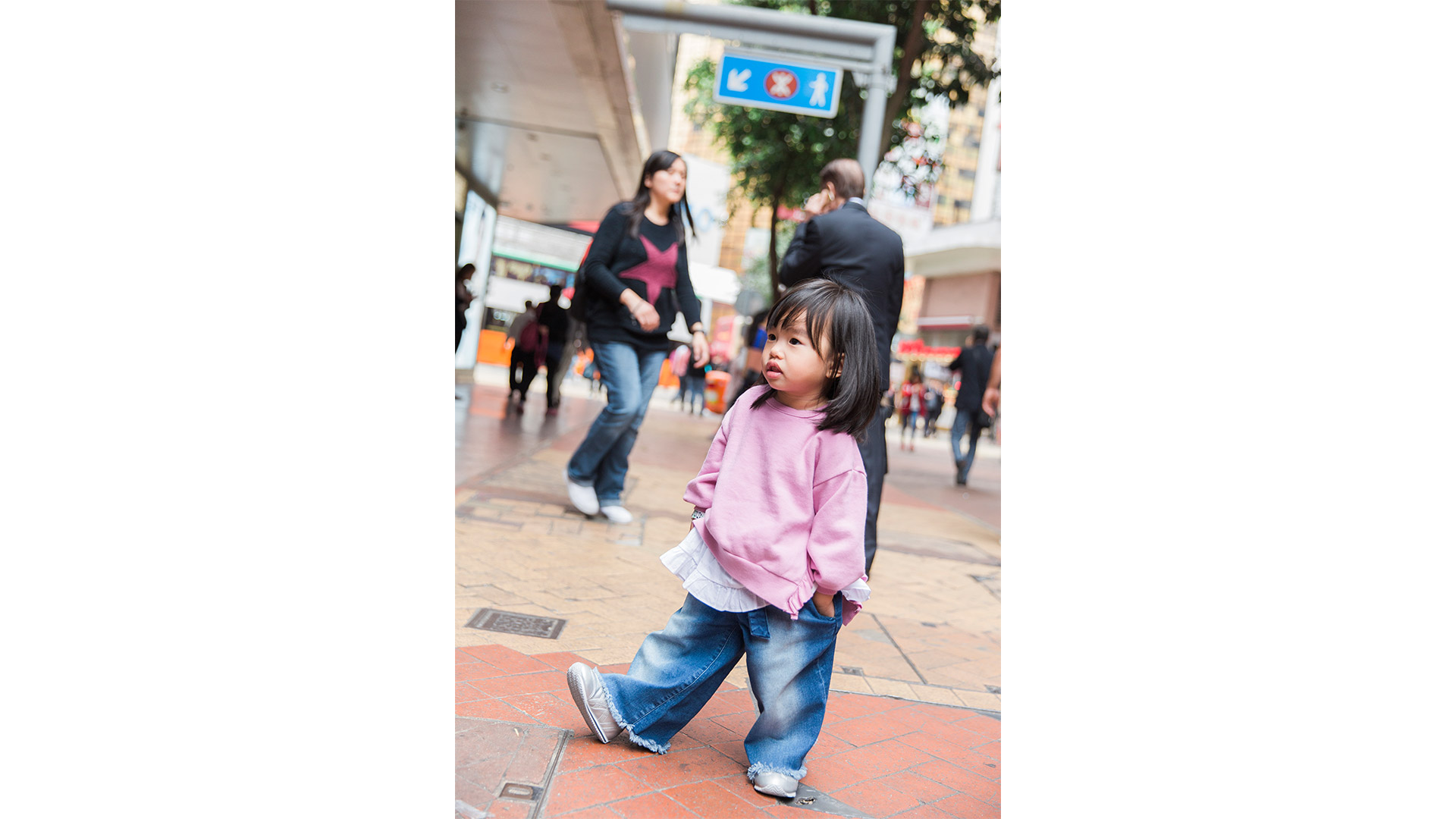
Giselle
Kid of Causeway Bay
“Today I’m with Mummy in Causeway Bay before she takes me to playgroup. We’re enjoying looking at all the plants sold here. I like matching my clothes with my Mummy – check out my watch, it’s got pandas on it!”
More Stories
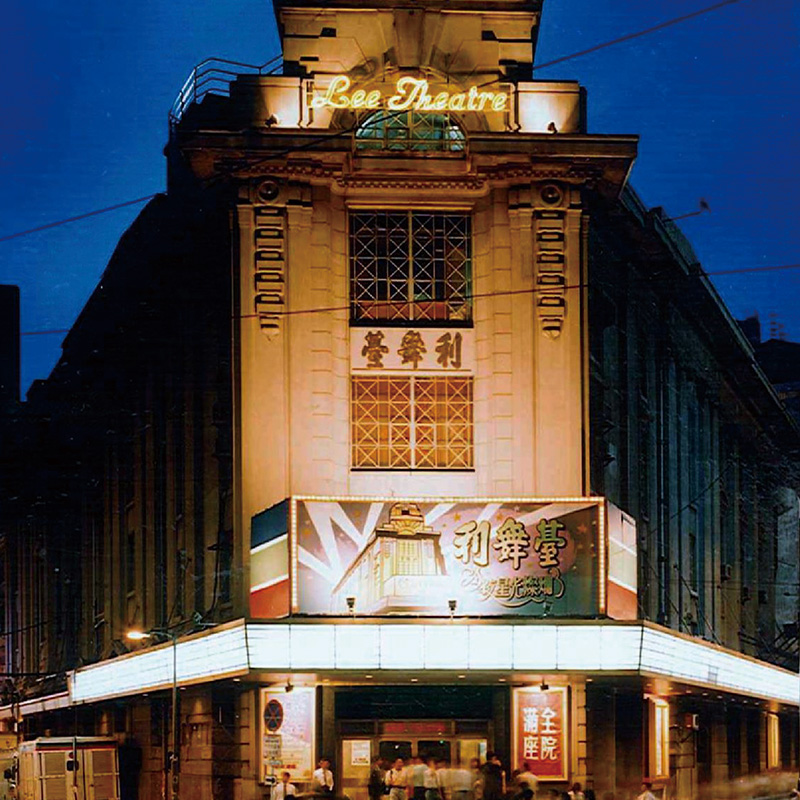
Causeway Bay: Then & Now
Feature
Causeway Bay embodies the many facets of Hong Kong – the fast pace, fascinating contrasts and dynamic energy. From the city’s very beginning to the present day, its diversity and vibrancy makes it a beloved neighbourhood.
-
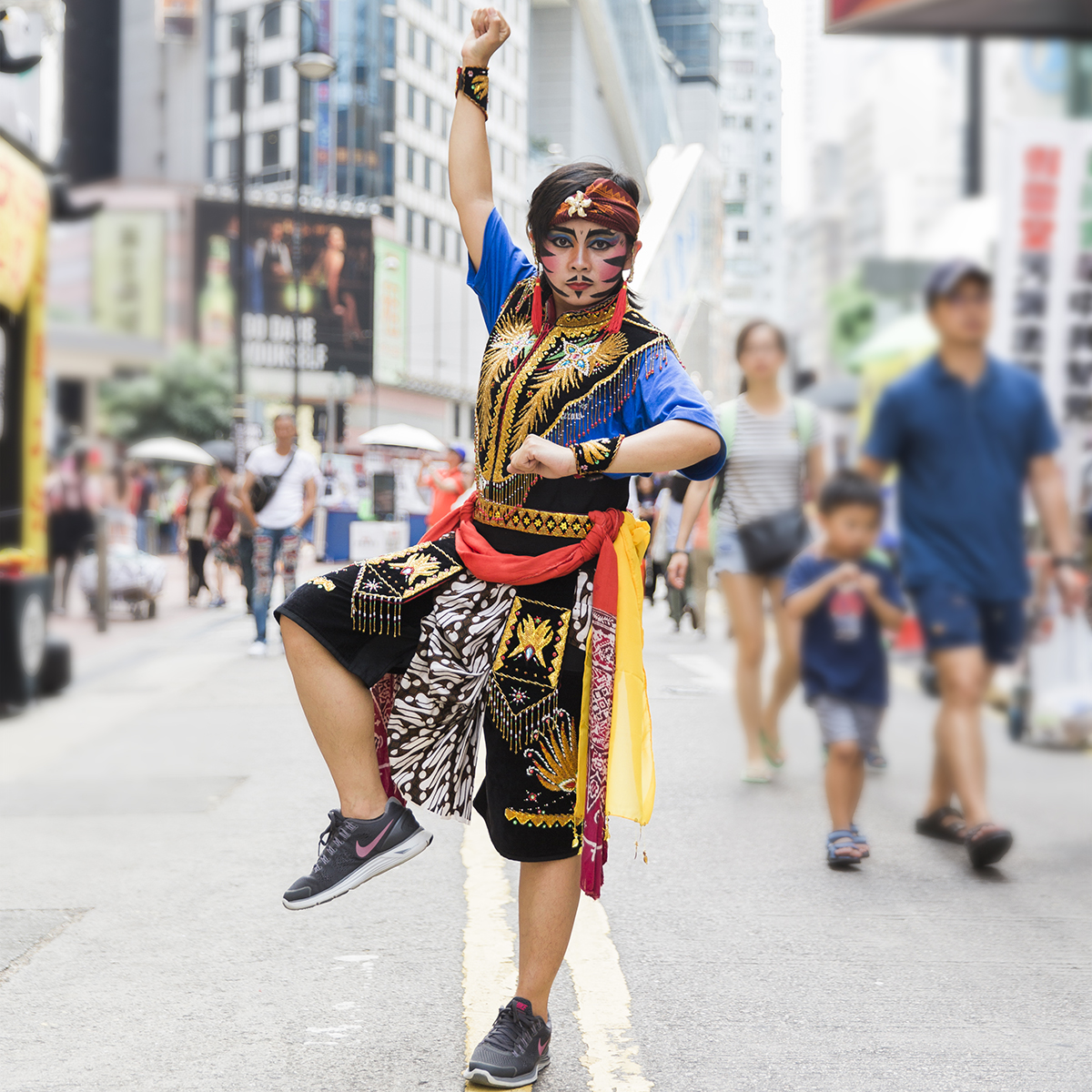
Uke
Performer of Causeway Bay
“I’m wearing makeup and costume that I bought in Indonesia for performances and competitions. I’ve just finished buying something here in Causeway Bay…
-
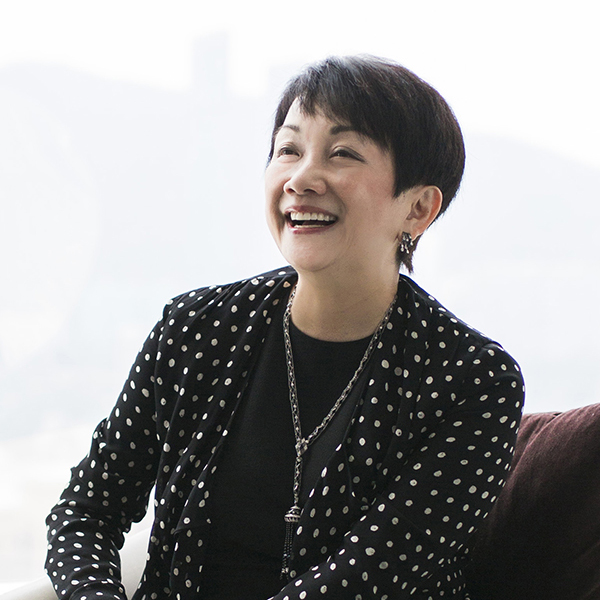
Irene Lee
Chairman of Hysan Development
There are very few people who know the origin of a suburb, let alone one as integral to Hong Kong as Causeway Bay. But for Irene Lee, granddaughter of Lee Hysan and current chairman of Hysan Development, she can look back on the neighbourhood’s inception…
-
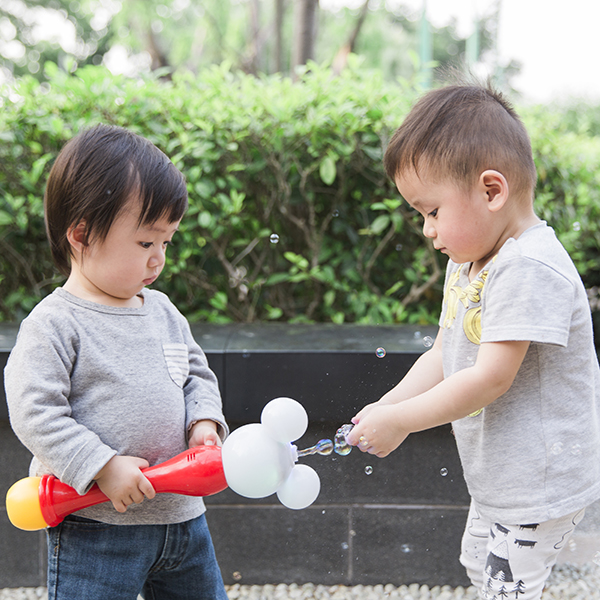
Him Him & Melo
Toddlers at Victoria Park
“Both our parents brought us to Victoria Park to play today. We didn’t know each other before…
-
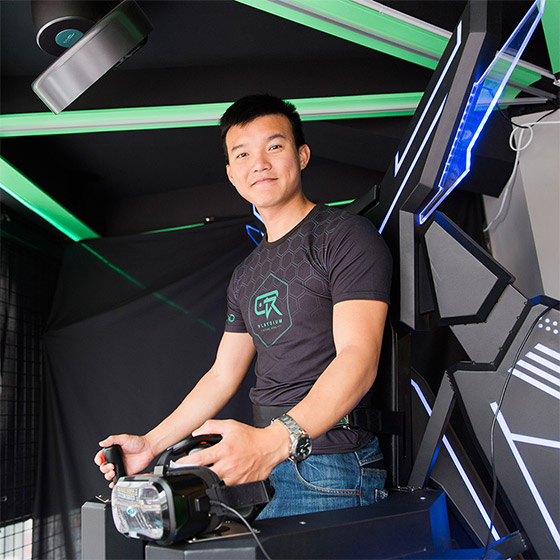
Darren Lo
Co-founder, Playdium
Don’t call Playdium an arcade – it’s a “virtual reality experience studio” where you can play fully immersive games with the help of top-of-the-line Razer computers and HTC Vive VR goggles…
-
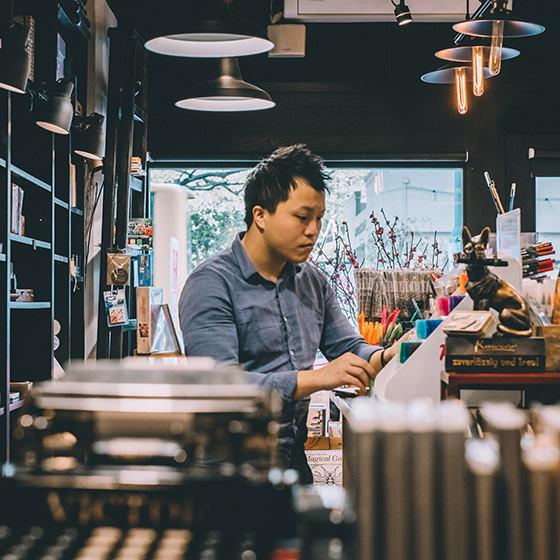
Clement Ng
Salesperson, Journalize
“We aren’t really like other stationery stores and people started noticing us when we were mentioned in a blog. We slowly developed our own style of running a store…
-
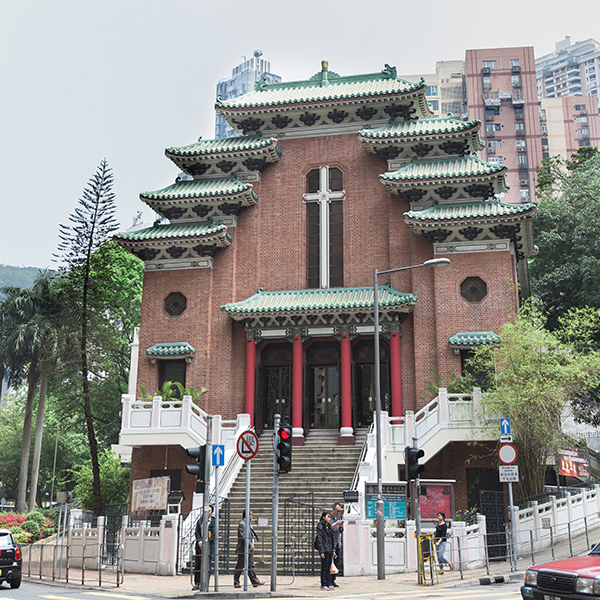
St. Mary's Church
Local Landmark
St. Mary’s Church is an Anglican church that began in 1911 as a chapel for those at the Eyre Diocesan Refuge. Much of the early work depended on volunteers and donations…
-
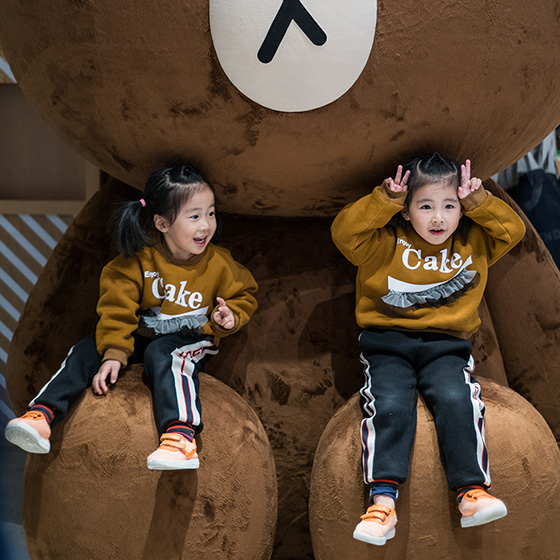
Amanda & Rebecca Li
Twins
“We love this bear so much, we tried to match our outfits with him today…
-
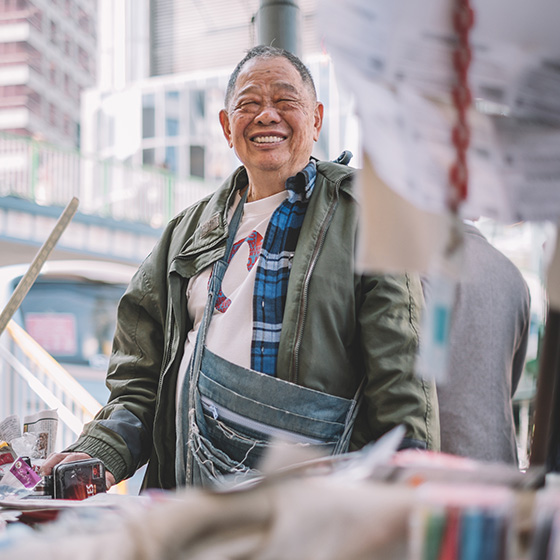
Uncle Leung
Street vendor
“We picked this spot on Leighton Road today because it’s spacious and we aren’t in peoples’ way. We’ve been here for over 40 years. We used to roast chestnuts…

Celebrating Causeway Bay
Feature
A neighbourhood in flux, Causeway Bay’s constant evolution keeps residents and visitors coming back for more. Whether it’s fashion, food, film or art, it’s a part of Hong Kong that keeps people mesmerised and inspired.
Causeway Bay: Then & Now
Feature
Causeway Bay embodies the many facets of Hong Kong – the fast pace, fascinating contrasts and dynamic energy. From the city’s very beginning to the present day, its diversity and vibrancy makes it a beloved neighbourhood.
-
Clement Ng
Salesperson, Journalize
“We aren’t really like other stationery stores and people started noticing us when we were mentioned in a blog. We slowly developed our own style of running a store…
-
St. Mary's Church
Local Landmark
St. Mary’s Church is an Anglican church that began in 1911 as a chapel for those at the Eyre Diocesan Refuge. Much of the early work depended on volunteers and donations…
-
Amanda & Rebecca Li
Twins
“We love this bear so much, we tried to match our outfits with him today…
-
Uncle Leung
Street vendor
“We picked this spot on Leighton Road today because it’s spacious and we aren’t in peoples’ way. We’ve been here for over 40 years. We used to roast chestnuts…