

St. Mary's Church
Local Landmark
St. Mary’s Church is an Anglican church that began in 1911 as a chapel for those at the Eyre Diocesan Refuge. Much of the early work depended on volunteers and donations but nearby devotees would also eventually be baptised there. On Christmas Eve in 1937, a new church building of Chinese-Anglican architectural design by Chau Lu-Nin 周耀年 and Richard Lee 李禮之 was unveiled. Red brick walls are embellished with Chinese pillars and stained-glass windows. Inside, a Chinese cloud motif appears on pews and walls. Apart from religious services, the church is also active in the field of education, and established the St. Mary’s Primary School in 1959 and the St. Mary’s College in 1963.
St. Mary’s Church, 2A Tung Lo Wan Road, Causeway Bay
More Stories
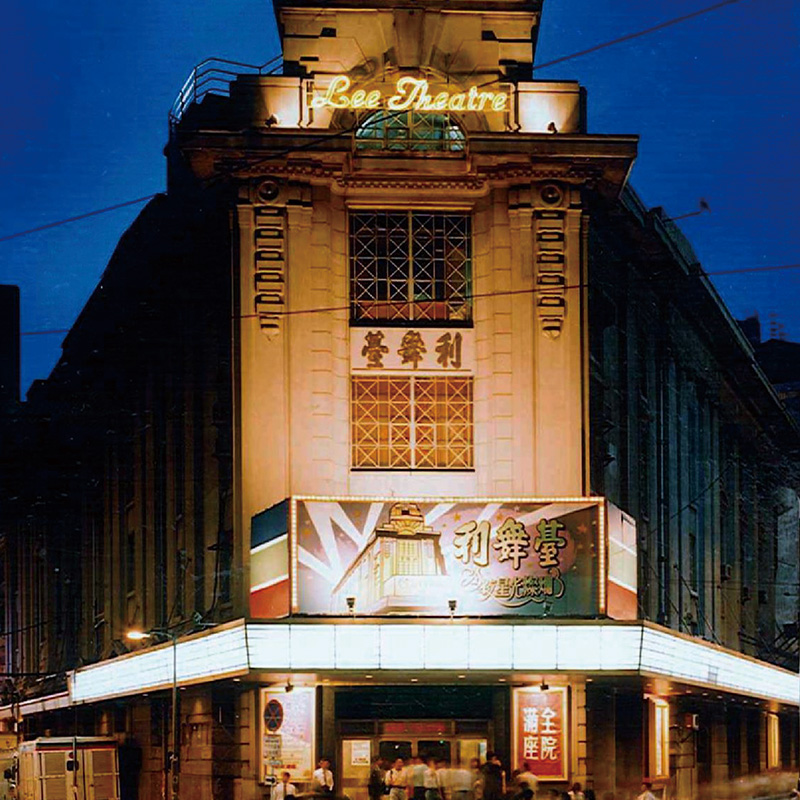
Causeway Bay: Then & Now
Feature
Causeway Bay embodies the many facets of Hong Kong – the fast pace, fascinating contrasts and dynamic energy. From the city’s very beginning to the present day, its diversity and vibrancy makes it a beloved neighbourhood.
-

Cynthia Leung
Owner, Cat Store
It all started 18 years ago when my partner ‘Ah Mao’ (Cat) and I had an vintage store on Percival Street. She collected a lot and we soon ran out of space…
-

Wan Chai Fire Station
435 Hennessy Road
Wan Chai Fire Station is the oldest fire station still standing in Hong Kong. Its maroon facade and retro-style balconies distinguish it from other fire stations in the city, which have followed a standard design since 1958.
-
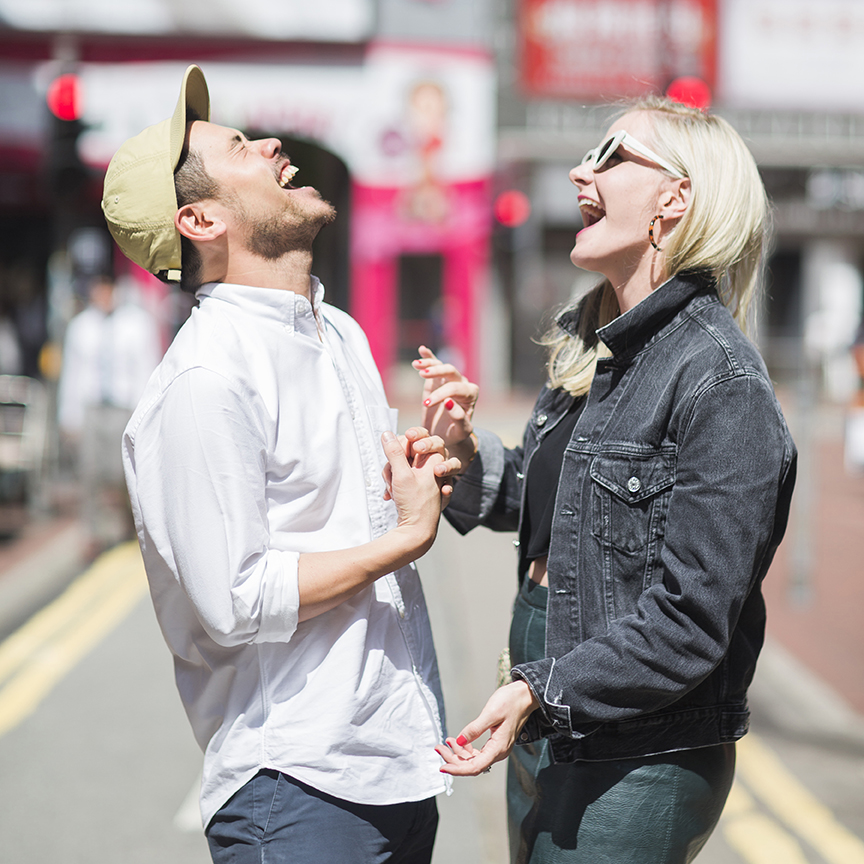
Paul & Jocelyn
Lovebirds of Causeway Bay
Jocelyn: “I moved to Hong Kong from the Chicago suburbs at the age of 11. Causeway Bay was a total assault on the senses in the best way possible – there is so much energy and vibrancy, but also an an instant connection to the pulse of Hong Kong.”
-
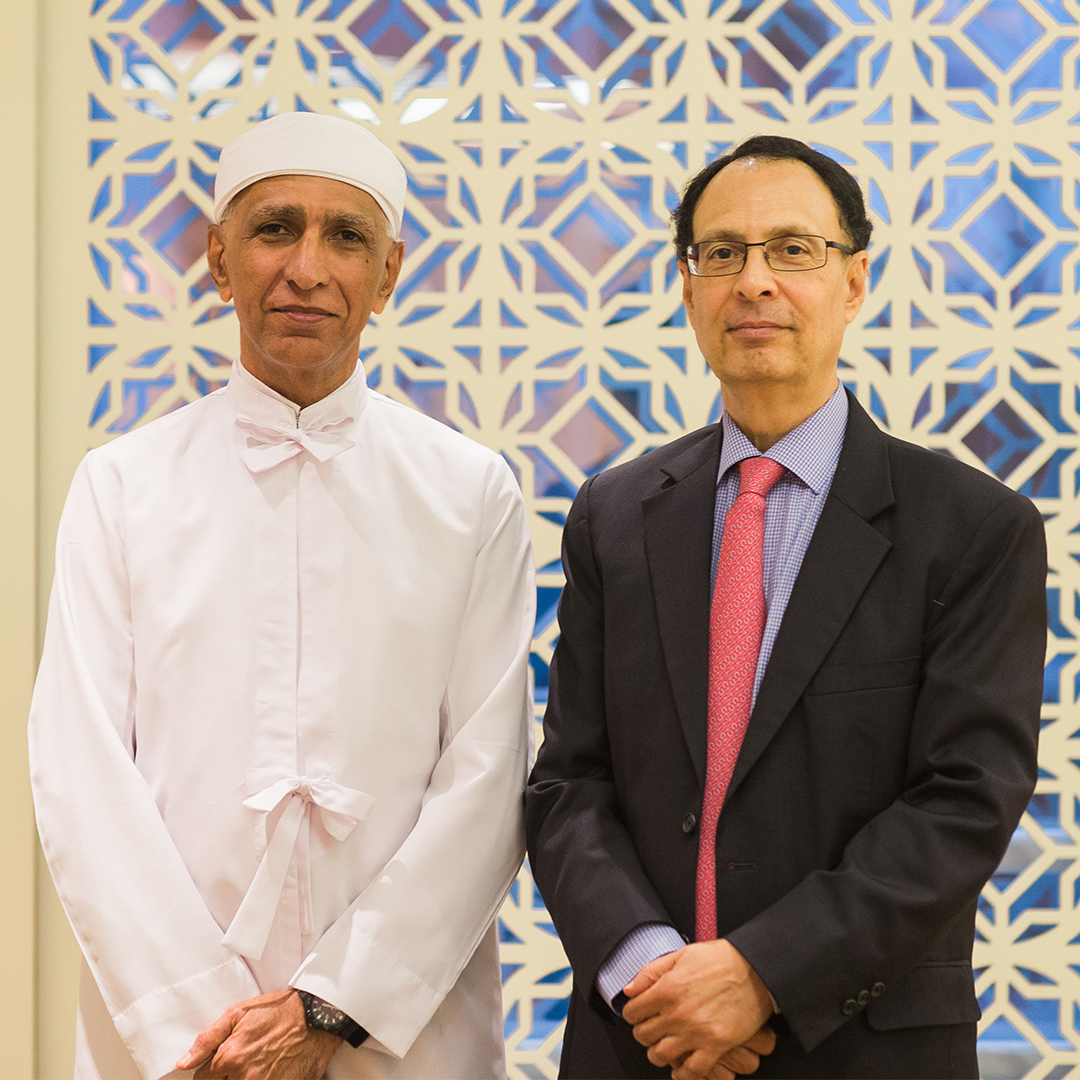
Zoroastrian Prayer Hall in Causeway Bay
Neville Shroff, President, and Ervad Homyar Nasirabadwala, Priest of The Incorporated Trustees of the Zoroastrian Charity Funds of Hong Kong, Canton & Macao
Zoroastrianism is known as the oldest practiced religion in the world: originating in ancient Persia over three thousand years ago…
-

Amanda & Rebecca Li
Twins
“We love this bear so much, we tried to match our outfits with him today…
-

Mr Chu
Owner, Kung Wo Tong
“Kung Wo Tong is a family business that can be traced back to the Qing Dynasty when herbal turtle jelly was consumed frequently. We first opened on Temple Street…
-

Annie Chu
Causeway Bay yogi
“Today I’m taking a Vinyasa class. I come to Causeway Bay every weekend for yoga and I like how fluid and flowy these classes are…
-
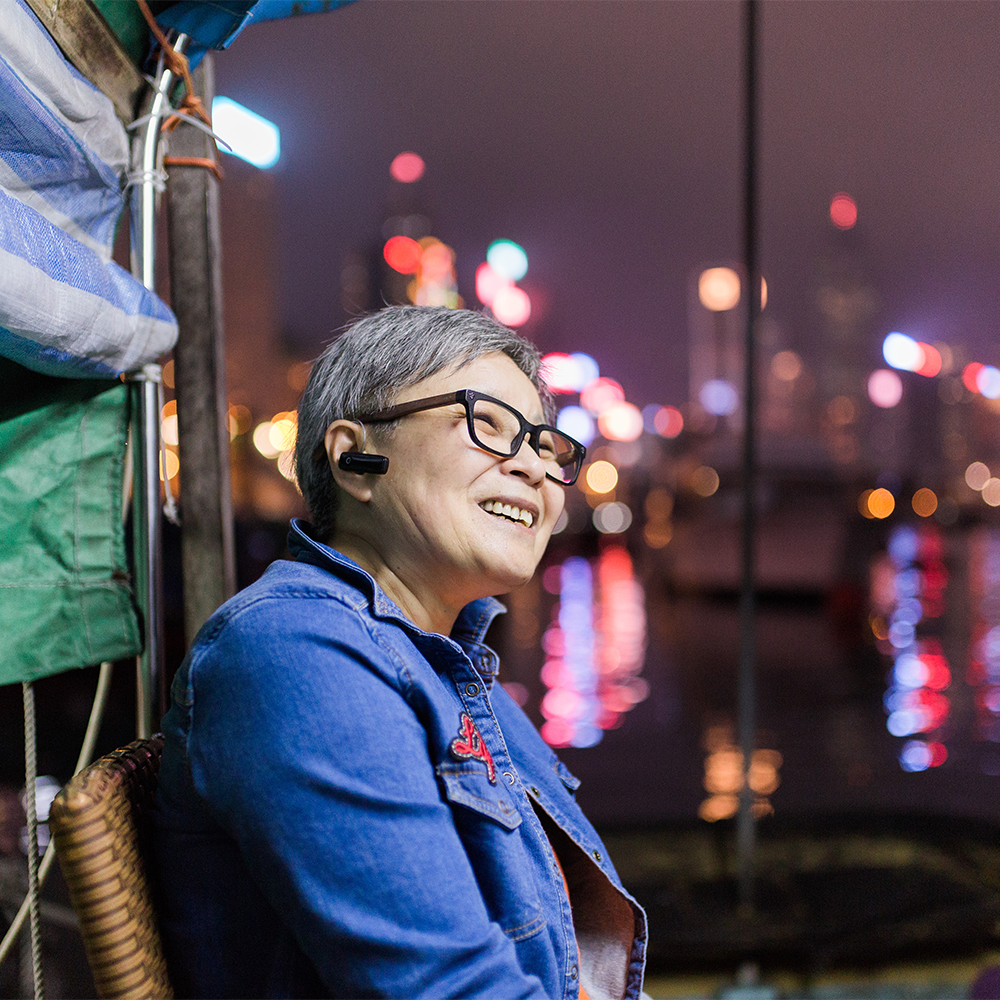
Candy Cheung
Shun Kee Typhoon Shelter Seafood Owner
“We grew up here on the water. In the 1950s and 1960s, the Causeway Bay typhoon shelter used to be filled with these floating restaurants, but by the 90s, they’d begun to disappear. Some of the few that remained eventually shut down and opened up on-land instead…

Celebrating Causeway Bay
Feature
A neighbourhood in flux, Causeway Bay’s constant evolution keeps residents and visitors coming back for more. Whether it’s fashion, food, film or art, it’s a part of Hong Kong that keeps people mesmerised and inspired.
Causeway Bay: Then & Now
Feature
Causeway Bay embodies the many facets of Hong Kong – the fast pace, fascinating contrasts and dynamic energy. From the city’s very beginning to the present day, its diversity and vibrancy makes it a beloved neighbourhood.
-
Amanda & Rebecca Li
Twins
“We love this bear so much, we tried to match our outfits with him today…
-
Mr Chu
Owner, Kung Wo Tong
“Kung Wo Tong is a family business that can be traced back to the Qing Dynasty when herbal turtle jelly was consumed frequently. We first opened on Temple Street…
-
Annie Chu
Causeway Bay yogi
“Today I’m taking a Vinyasa class. I come to Causeway Bay every weekend for yoga and I like how fluid and flowy these classes are…
-
Candy Cheung
Shun Kee Typhoon Shelter Seafood Owner
“We grew up here on the water. In the 1950s and 1960s, the Causeway Bay typhoon shelter used to be filled with these floating restaurants, but by the 90s, they’d begun to disappear. Some of the few that remained eventually shut down and opened up on-land instead…